

Blood-Gas Syringes: Verify Heparin, Fill and Analyzer Scope
How hospital buyers verify arterial blood-gas syringes before switching SKUs: FDA pathway, heparin form and stated IU, labeled fill guidance and analyzer scope.
· ByThe neutral journal of medical consumables
Size logic, standards, certificate checks, and supplier-quality guidance for distributors and hospital buyers — written by no factory, sponsored by none.
Quick reference
Define the clinical use first.Then control material, dimensions, sterility, packaging, compatibility, and acceptable evidence.
Open the full guides →Latest guides
How hospital buyers verify arterial blood-gas syringes before switching SKUs: FDA pathway, heparin form and stated IU, labeled fill guidance and analyzer scope.
· By
Match detachable scalpel blades to stocked handles using manufacturer fitment lists, cross-brand model checks and disposable-format specifications.
· By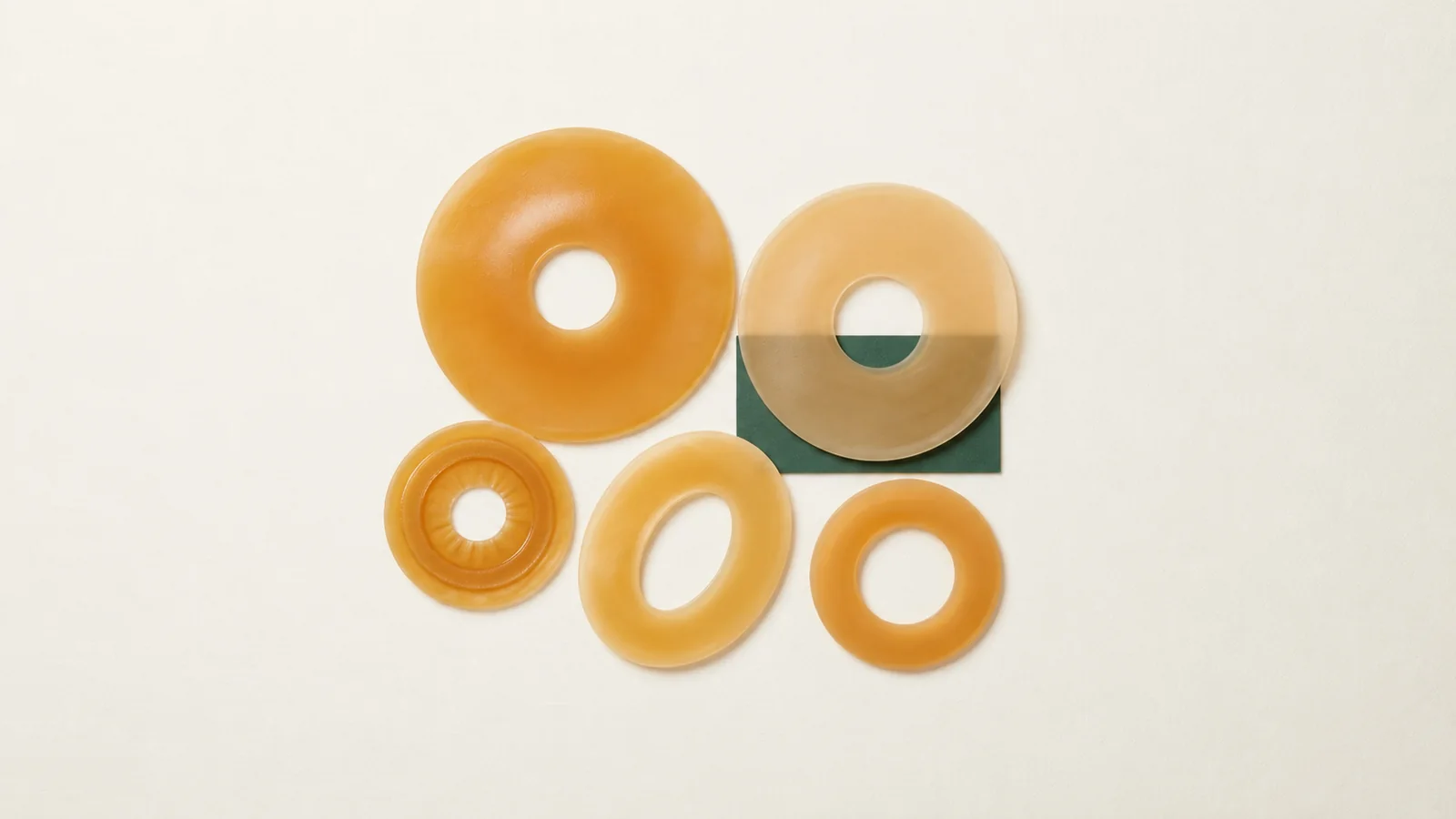
Compare ostomy barrier ring specifications, source conflicts, material disclosures, and pack counts before reviewing a supplier change.
· By
Compare named pouch clearance and load limits, distinguish catalog size from usable space, and document fit before standardizing sterilization pouch SKUs.
· By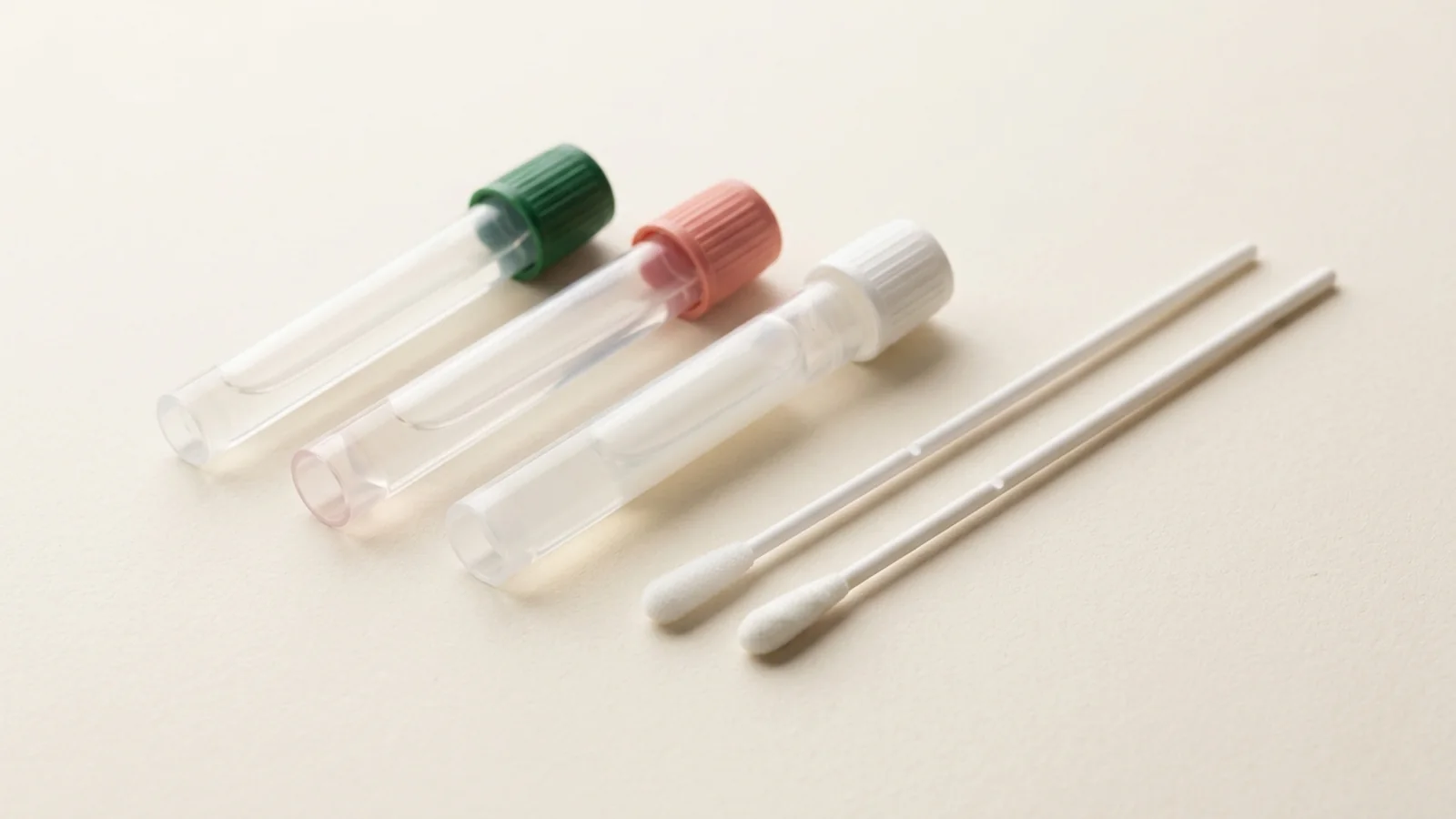
How buyers match swab tip, shaft and transport medium to culture or PCR testing, and the FDA, CLSI M40-A2 and labeled hold-time evidence to request before substituting.
· By
What to verify before switching to reusable surgical drapes: labeled reprocessing limits, end-of-life barrier data, ST65 laundering, cycle tracking, and laundry evidence.
· By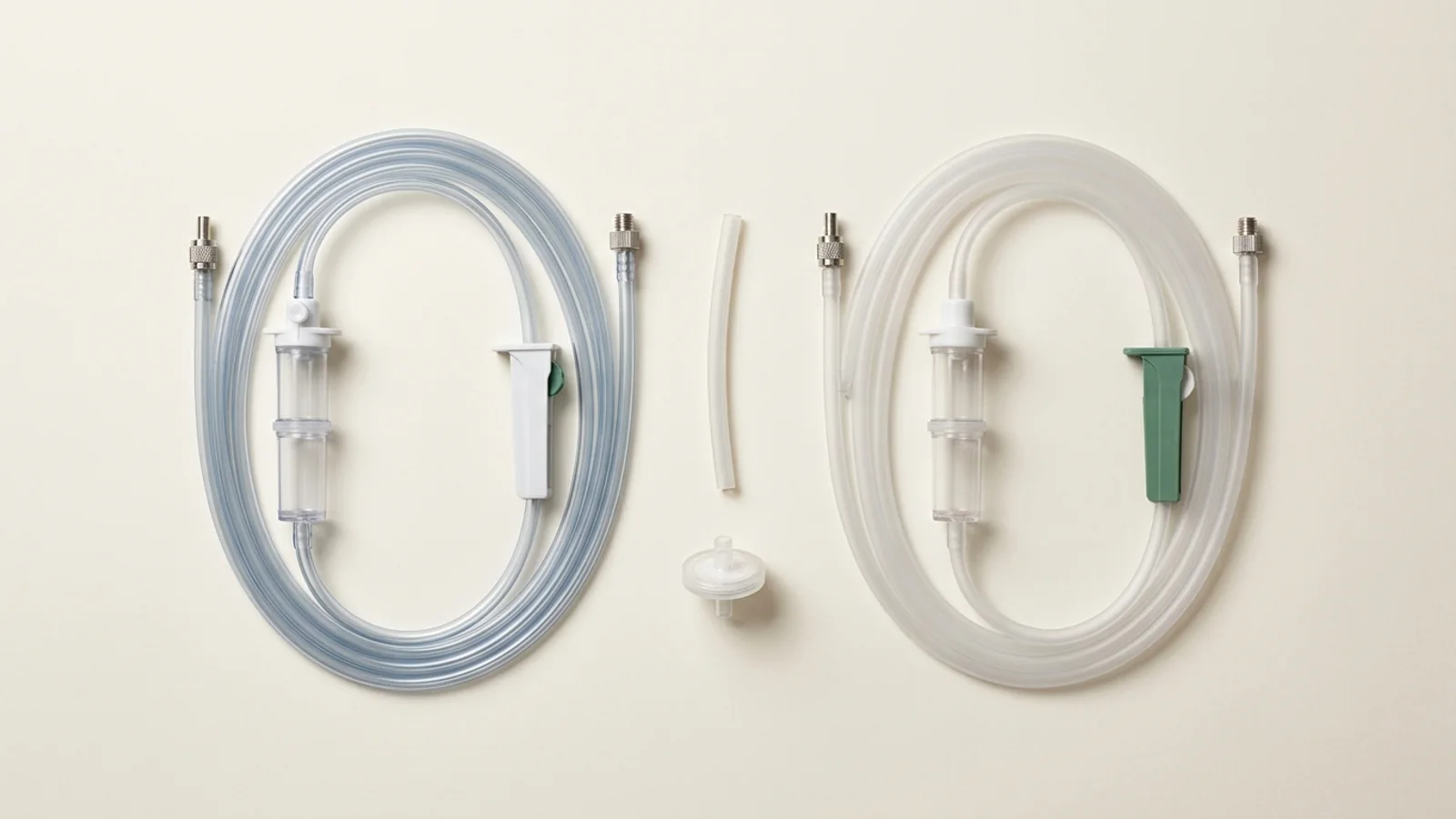
How buyers separate PVC-free from DEHP-free IV tubing claims, match sets to drug-label material requirements, and verify fluid-path and pump evidence.
· By
How to specify a sputum specimen container: the FDA sterility claim, FMH versus NNI, and which leak wording 49 CFR 173.199 actually requires.
· By
A technical procurement guide comparing self-seal, heat-seal, and roll stock sterilization pouches under 21 CFR 880.6850, ISO 11607-2 heat-sealer validation, EN 868-5 seal strength, and material-to-process matching.
· By
A neutral specification guide comparing bordered versus non-bordered silicone foam dressings, EN 13726 absorbency units, wear-time maxima, and FDA classification.
· By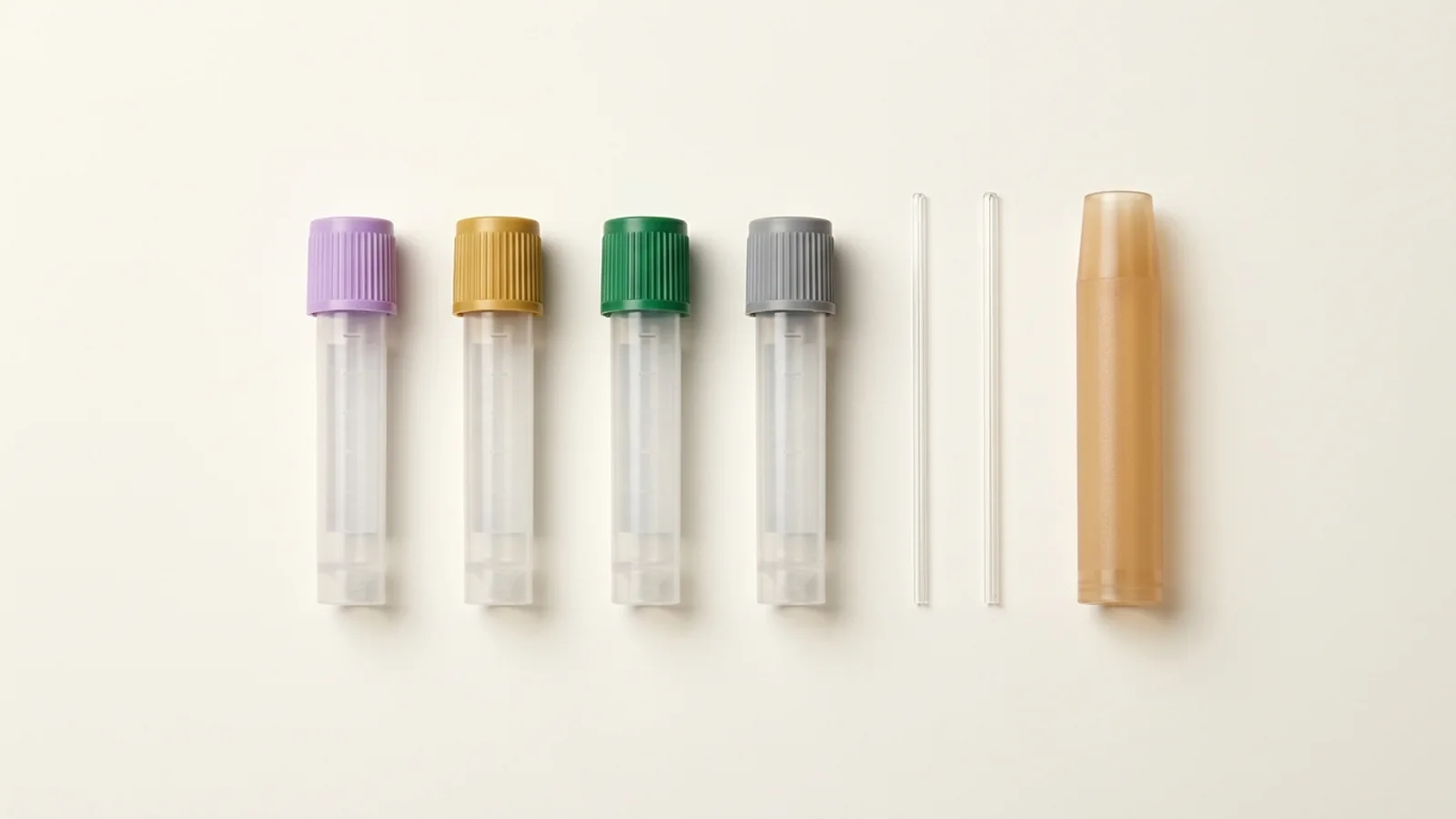
A hospital buyer and distributor specification guide to capillary collection tubes: FDA Class II vs Class I pathways, nominal fill lines, additives, cap colors, and non-sterile IVD labeling.
· By
A buyer's guide to verifying 'accelerator-free' nitrile exam glove claims: formulation chemistry, 510(k) scope, ASTM D7558 testing, and change-notification controls.
· By
Compare barrier film wipes under 21 CFR 880.5090 and antiseptic drug wipes to prevent procurement errors across vascular access kits, dressings, and item masters.
· By
Evaluate transparent film dressing barrier claims, wear-time maxima, and Class I 510(k)-exempt status to build verifiable procurement specifications.
· By
How buyers separate sterile and non-sterile ultrasound gel by procedure, label wording, FDA product code MUI, and the evidence to request before ordering.
· By
Compare FDA product codes QSY and POD, 510(k) clearances, prescription versus OTC labeled uses, and goods-receipt evidence before buying hemostatic gauze.
· By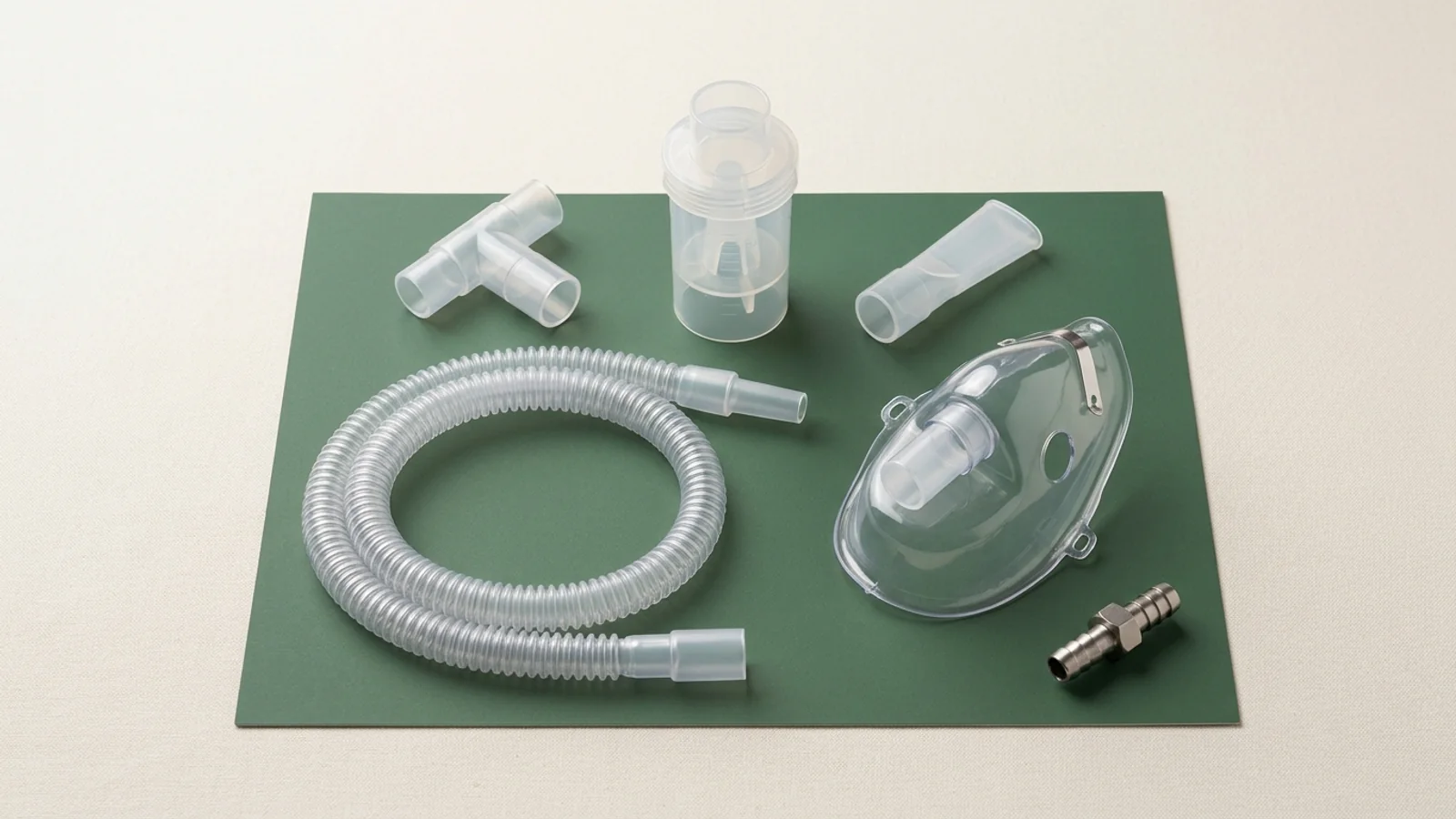
Compare nebulizer kits beyond cup capacity: FDA device classifications, driving-gas flow and pressure specs, single-patient reuse limits, ISO 27427 data, and Medicare HCPCS component codes.
· By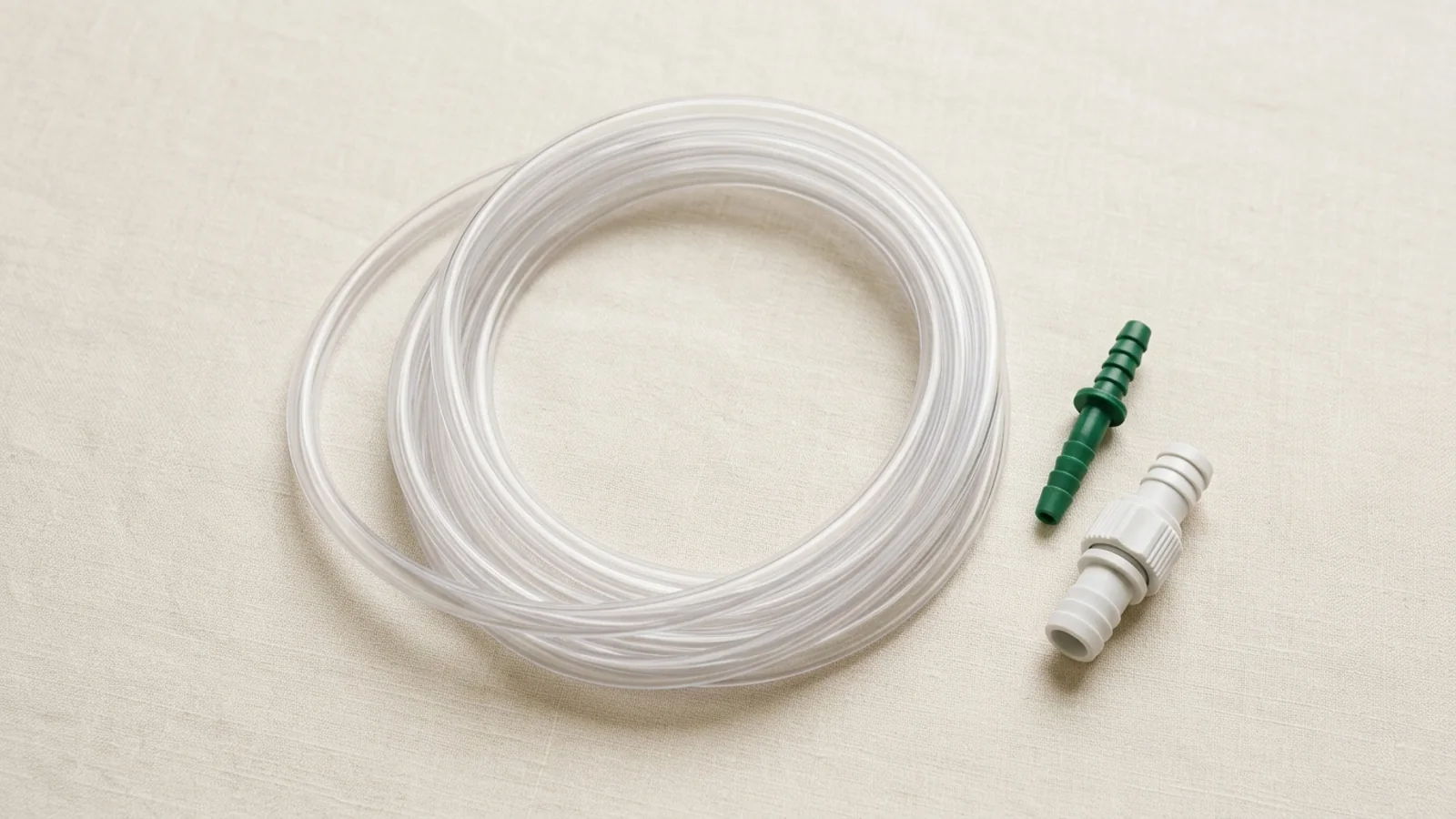
How buyers match oxygen supply tubing ends to installed outlets, then record labeled length and the material fields a catalog leaves blank.
· By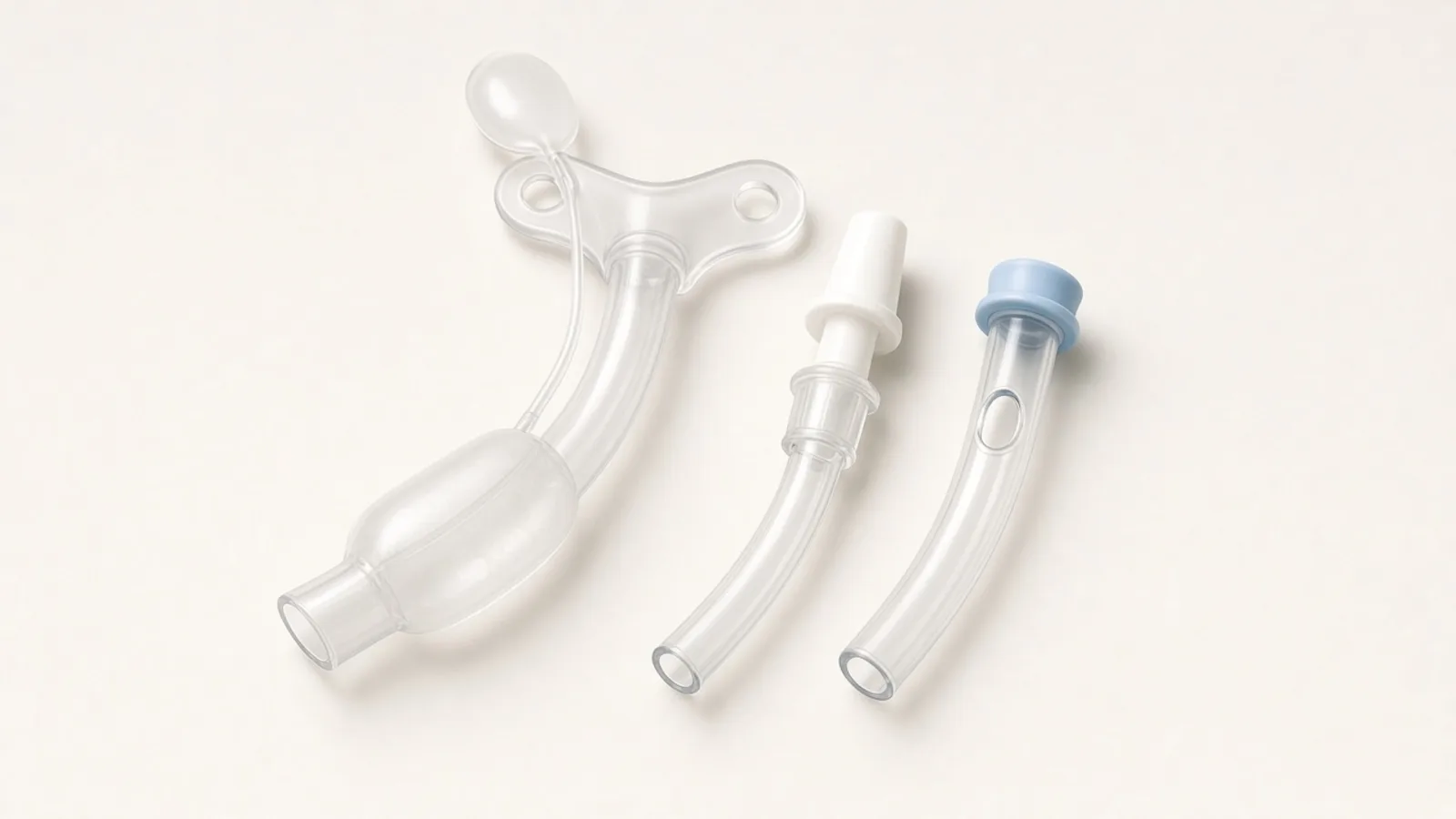
Match a tracheostomy inner cannula to the cleared tube family before substituting: 21 CFR 868.5800, where the 15 mm connector sits, and which size number is the working lumen.
· By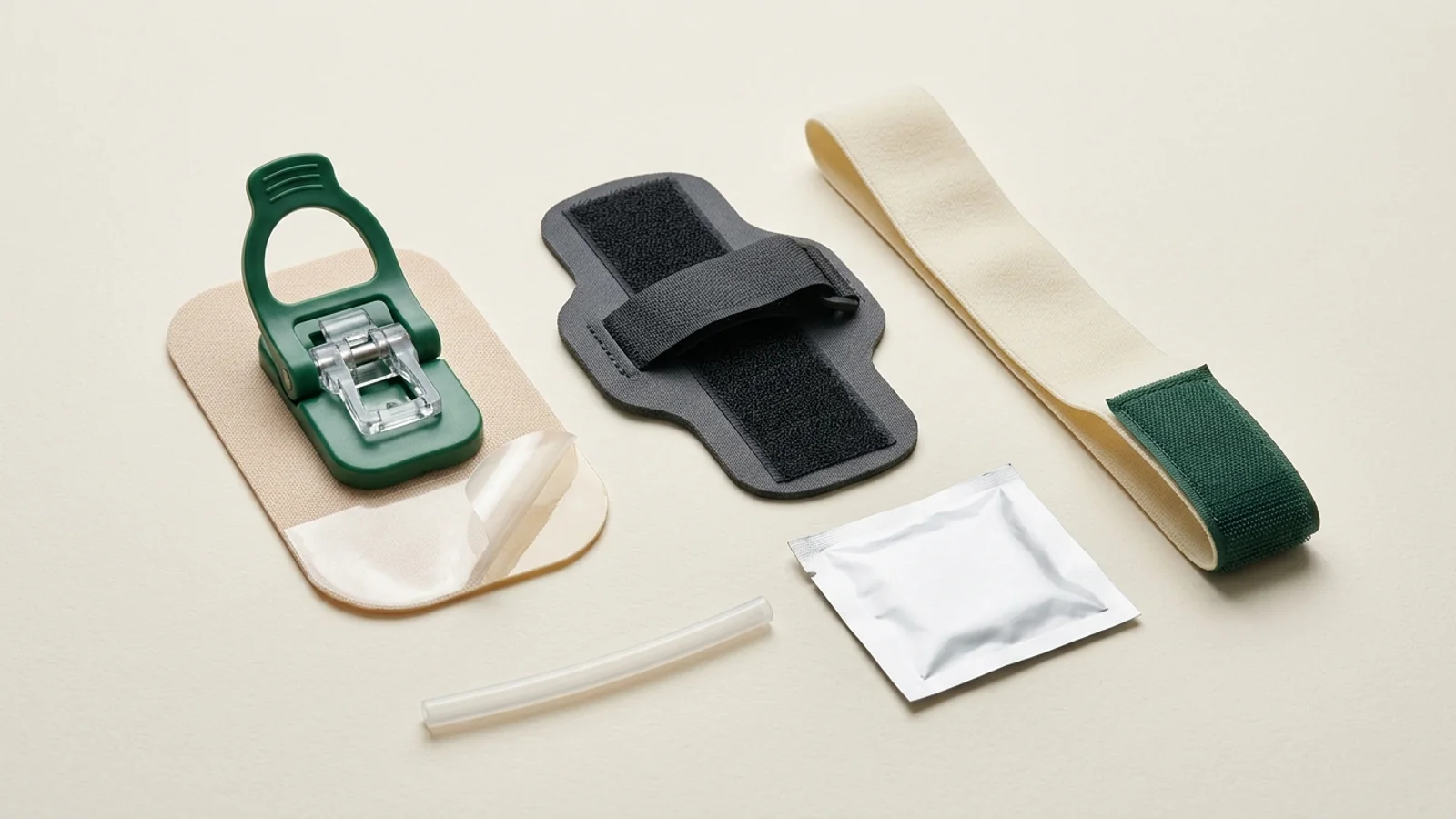
A buyer specification guide to catheter securement devices: FDA Class I exempt vs Class II cleared pathways, Foley and vascular French sizing, skin-prep barrier films, and HCPCS A4333 coding.
· By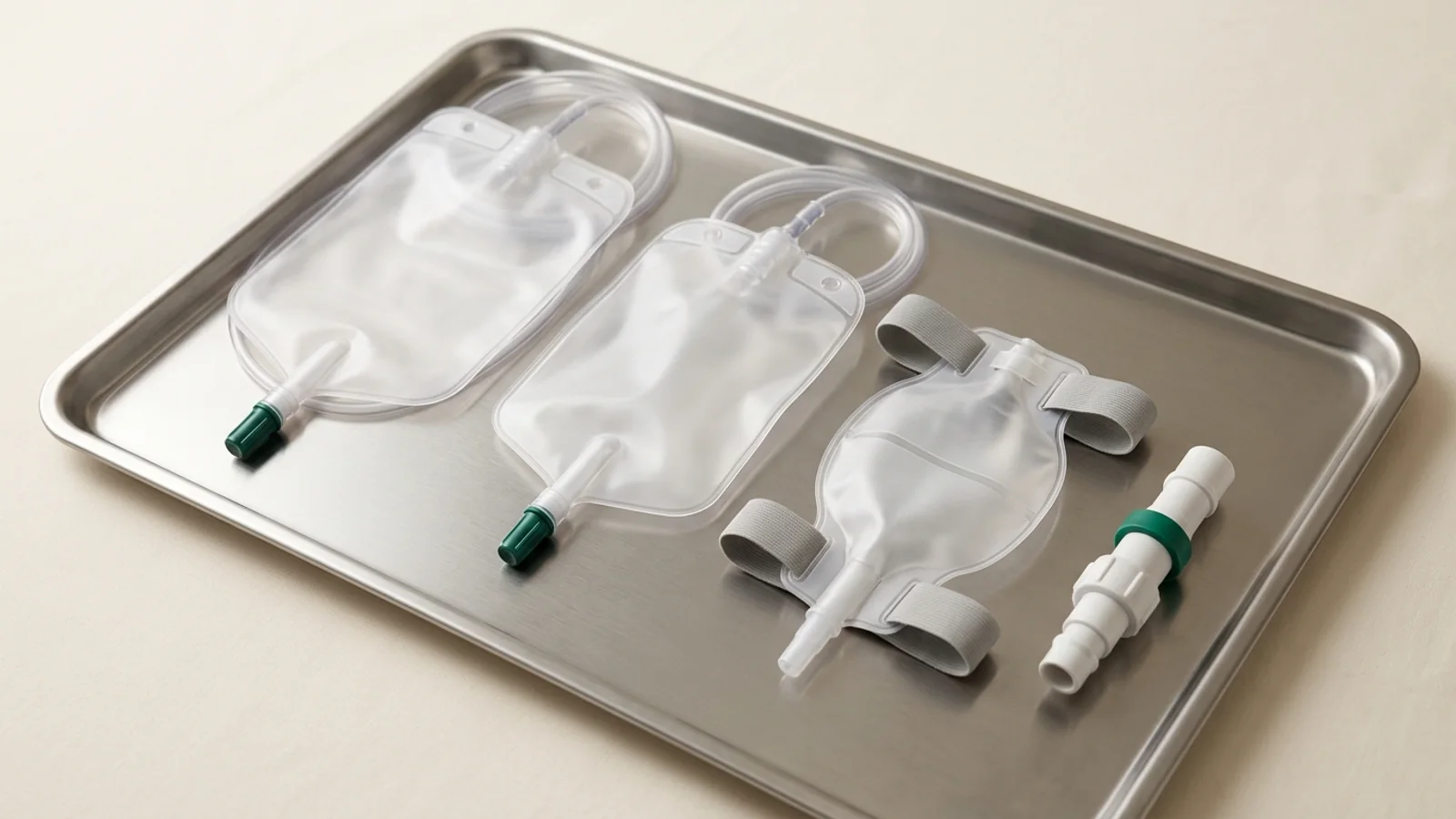
A buyer's specification guide to 21 CFR 876.5250 urine drainage bags: Class II KNX versus Class I FAQ codes, ISO 8669-2 adult bag scope, and labeled port specifications.
· By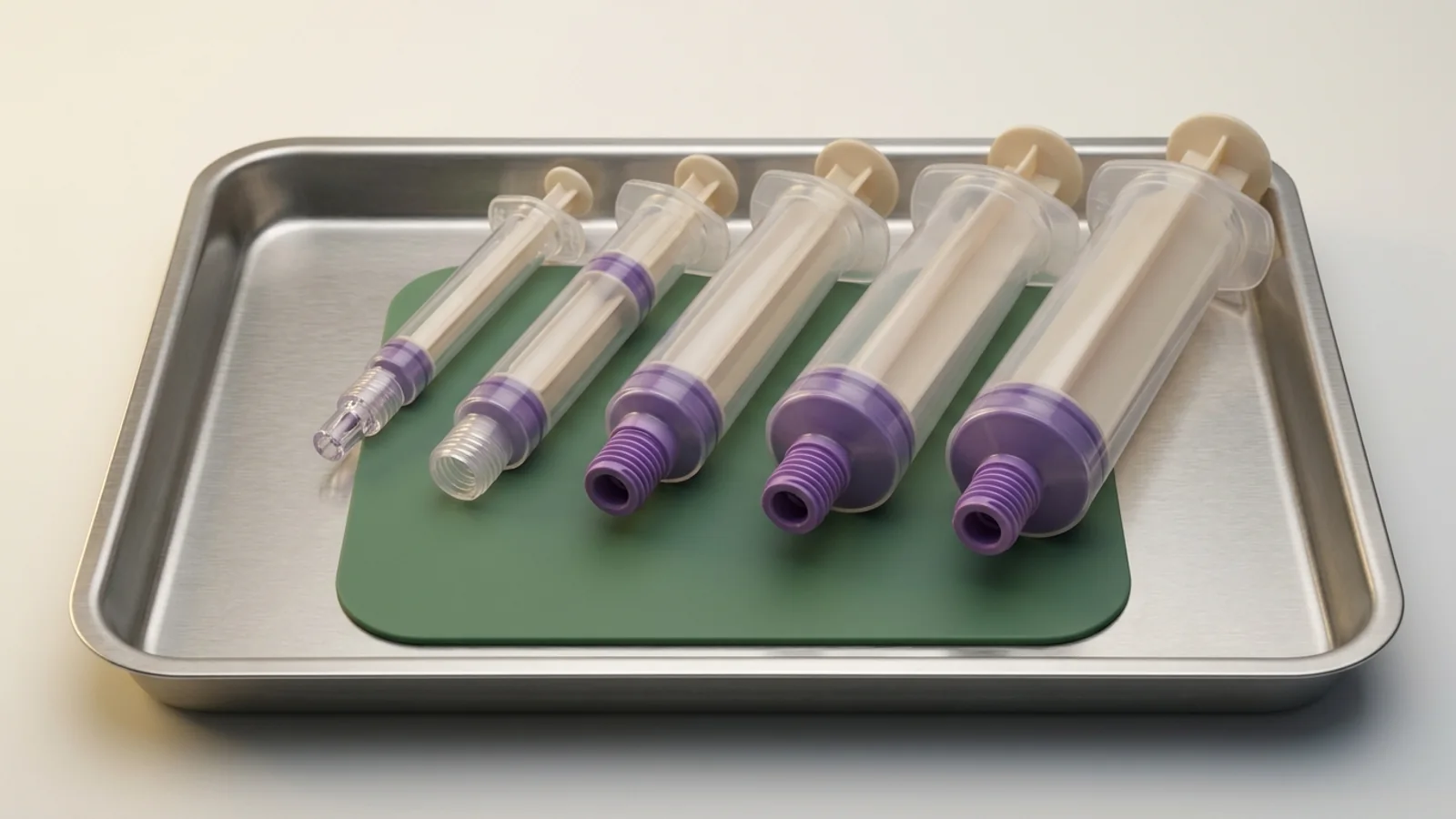
A technical procurement guide to 21 CFR 876.5980 product code PNR enteral syringes: ISO 80369-3 compatibility, standard versus low-dose tips, and tender specification checks.
· By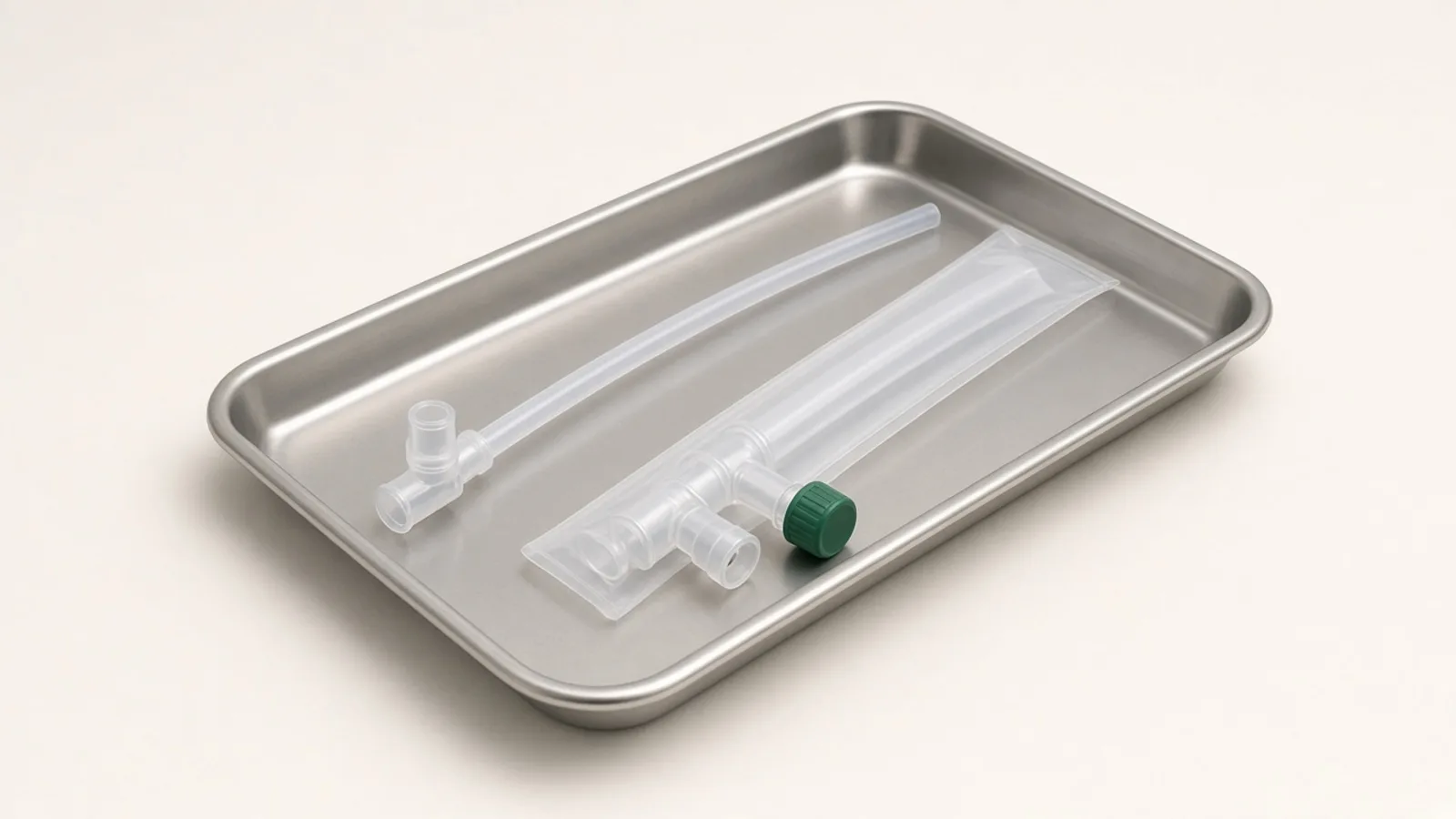
A buyer specification guide to 21 CFR 868.6810 BSY airway suction catheters: ISO 8836:2019 open vs closed fields, French size, control vents, circuit adapters, and 510(k) exemption limits.
· By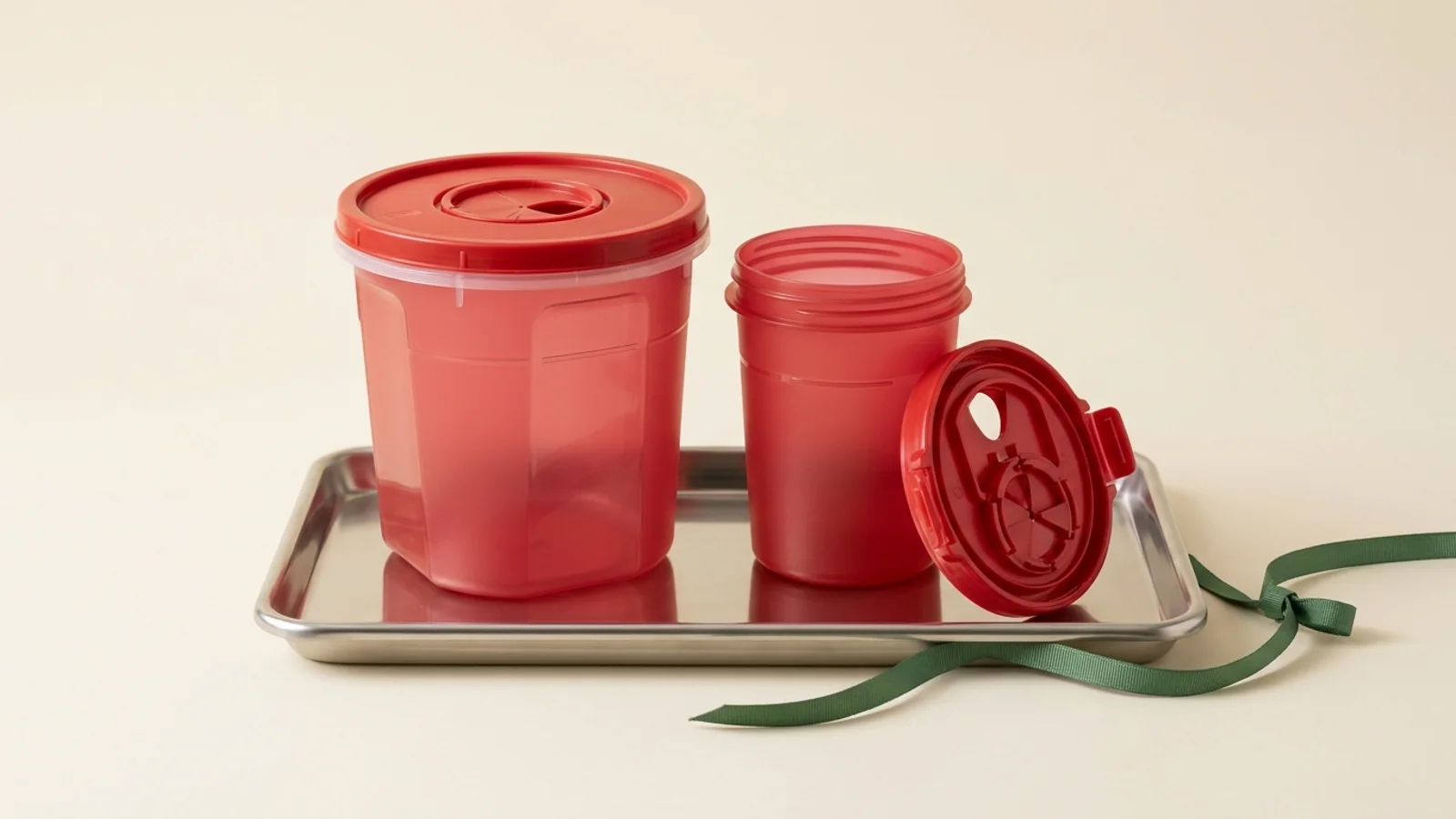
Specify FDA Class II sharps containers as product code MMK under 21 CFR 880.5570, with OSHA 1910.1030 construction fields, labeled fill-line volume, and ISO 23907-1 or 23907-2—not a needle code.
· By
A technical procurement guide to evacuated venous blood collection tubes: 21 CFR 862.1675 GIM vs JKA codes, ISO 6710 container scope, draw volume tolerances, additive chemistry, and closure specifications.
· By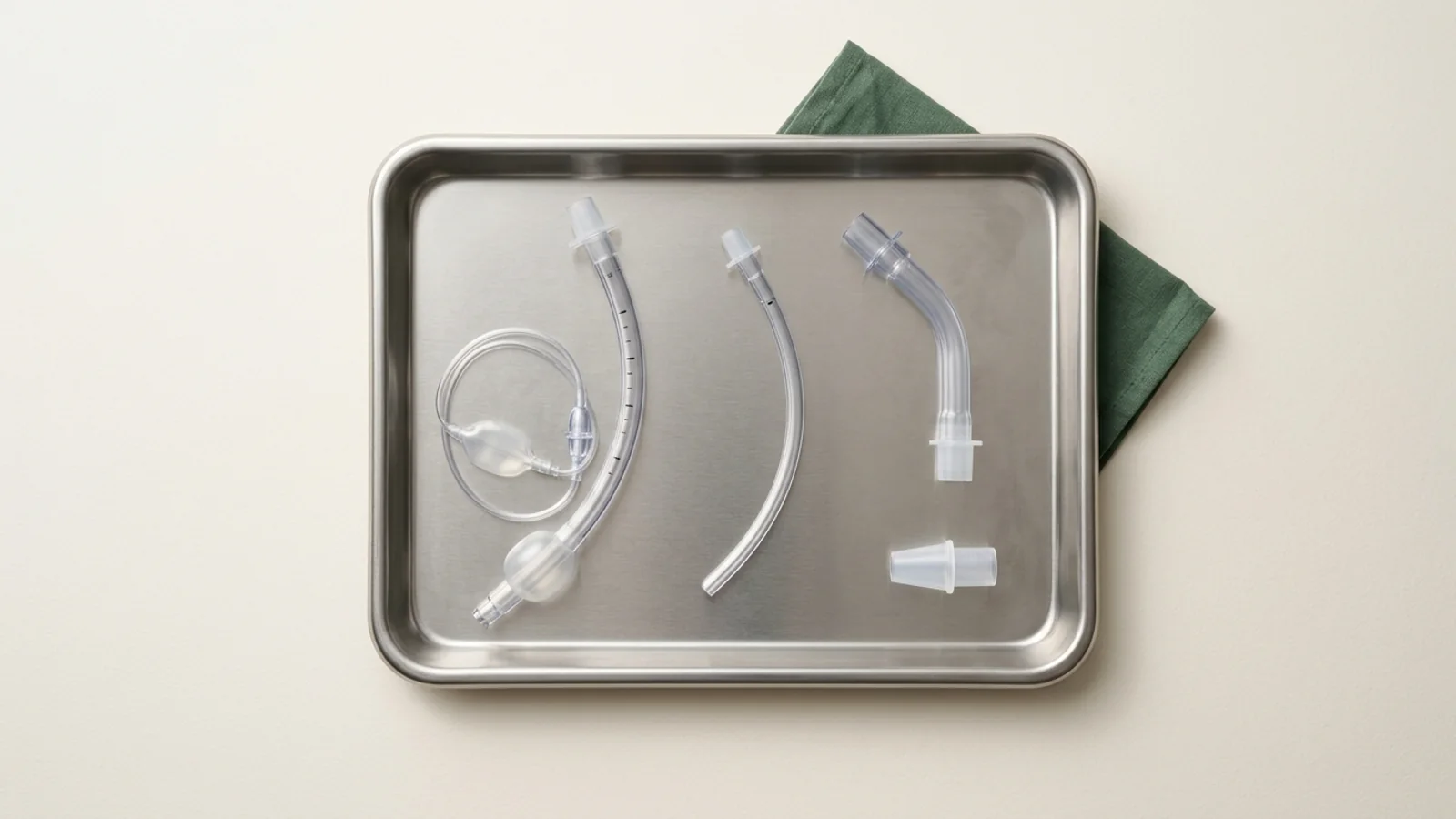
A buyer guide to 21 CFR 868.5730 tracheal tubes: ISO 5361 scope, labeled millimetre inside diameter, cuff and Murphy eye options, 15 mm ISO 5356-1 connectors, and FDA's 2026 transition.
· By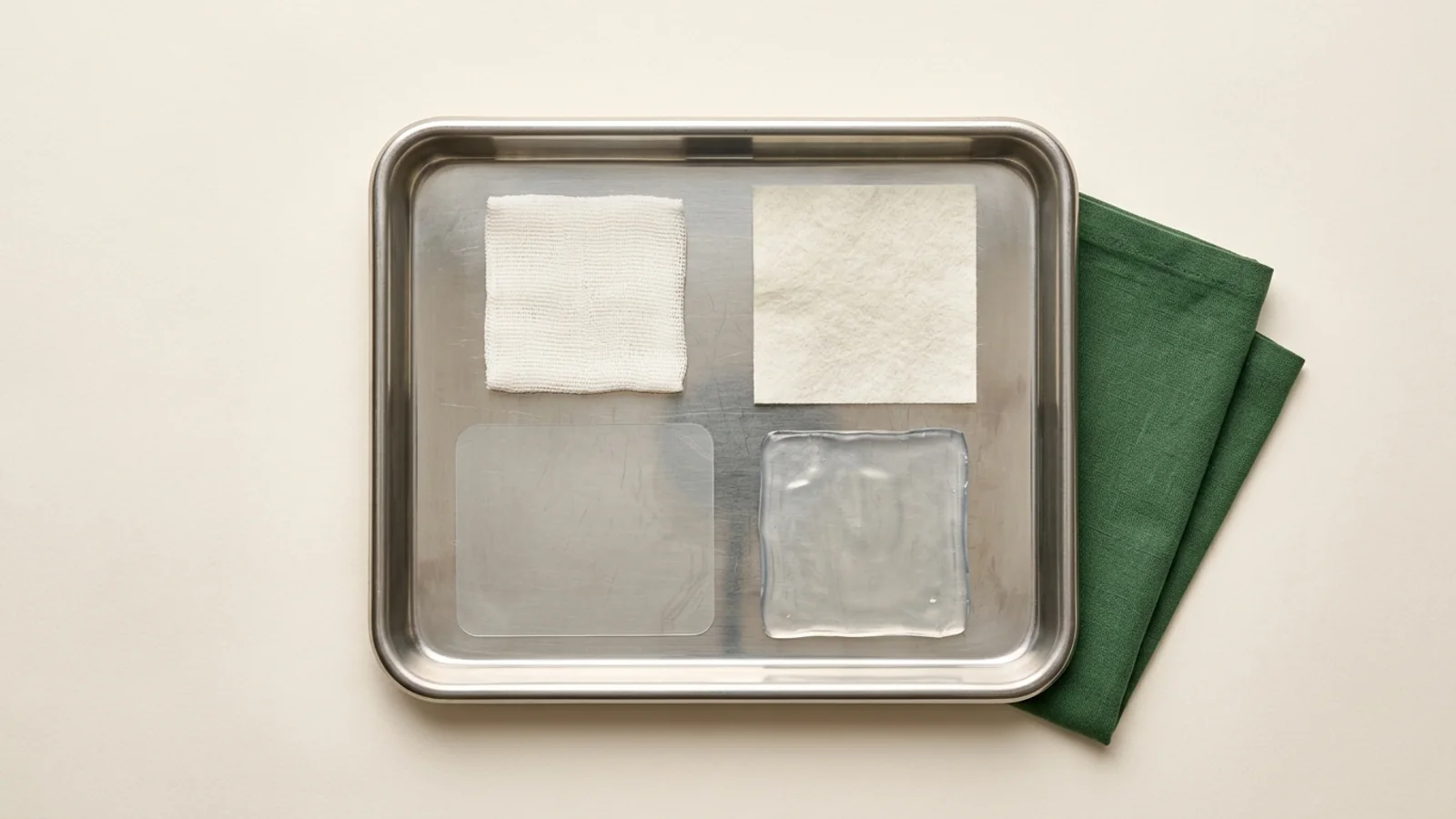
Match gauze, hydrophilic, occlusive, and hydrogel SKUs to 21 CFR 878 Class I codes versus unclassified FRO, MGQ, MGP, and KGN—without treatment protocols.
· By
A technical receiving guide to medical consumable UDI capture under 21 CFR 801, UPC-as-UDI rules, Class I PI exceptions, AccessGUDID verification, and dated enforcement discretion.
· By
A buyer specification guide to ISO 8537 insulin syringes: 21 CFR 880.5860 FMF codes, U-100 unit graduations, orange cap coding, and distinctions from ISO 7886-1 hypodermics.
· By
A buyer specification guide to FDA short-term (<30 days) versus long-term (≥30 days) intravascular catheters: 21 CFR 880.5200 vs 880.5970, product codes FOZ, PND, and LJS, ISO 10555 standards, and 510(k) evidence fields.
· By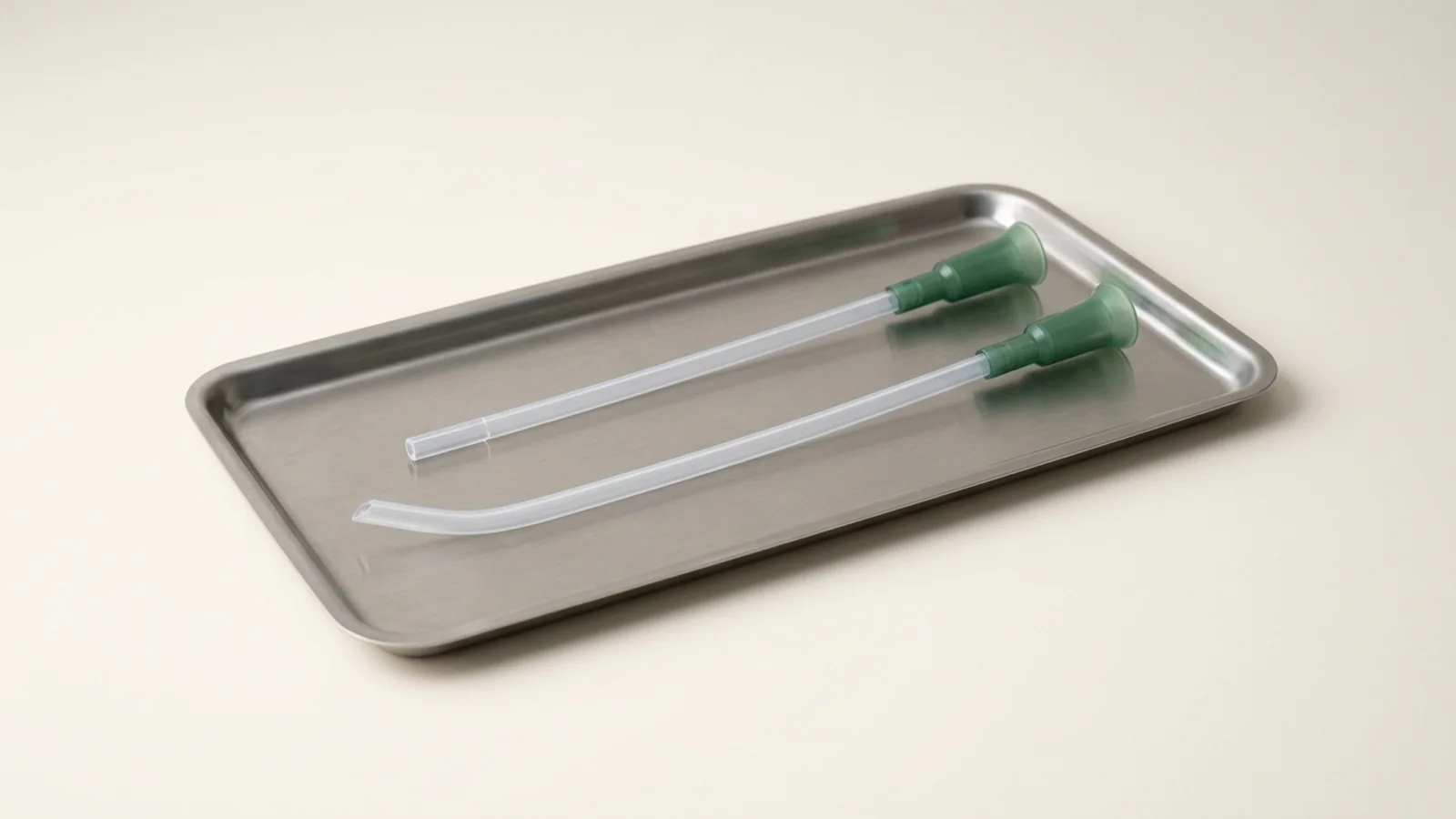
A buyer specification guide to ISO 20696 intermittent urethral catheters under 21 CFR 876.5130: FDA product codes EZD and GBM, partial recognition Rec# 9-143, tip shapes, and coating data.
· By
How hospital and distributor receiving teams record visible sterile-pouch damage, packaging level, and labeled identity for supplier review without assuming sterility.
· By
A veterinary laboratory purchasing worksheet for comparing replacement cartridge or reagent SKUs to installed analyzers, separating labeled identity from missing manufacturer facts.
· By
A hospital buyer and distributor reconciliation guide for tracing mixed-lot consumables across packaging levels during a recall without mistaking a UDI-DI match for scope.
· By
A buyer specification guide to 21 CFR 878.4370 surgical drapes, PUI versus KKX/PLY 510(k) paths, ASTM F1670 Level 4 barrier testing, fenestration geometry, and accessory codes.
· By
A technical procurement guide to 21 CFR 878.4040 isolation and non-surgical gowns: FDA product codes OEA, FYC, and QPC, PB70 barrier thresholds that trigger 510(k) clearance, full-garment critical zones, and ASTM F3352 conformity.
· By
A technical procurement guide to 49 CFR 173.199 triple packaging, UN 3373 marking rules, 1.2 m drop tests, aircraft 95 kPa pressure limits, and supplier closing instructions.
· By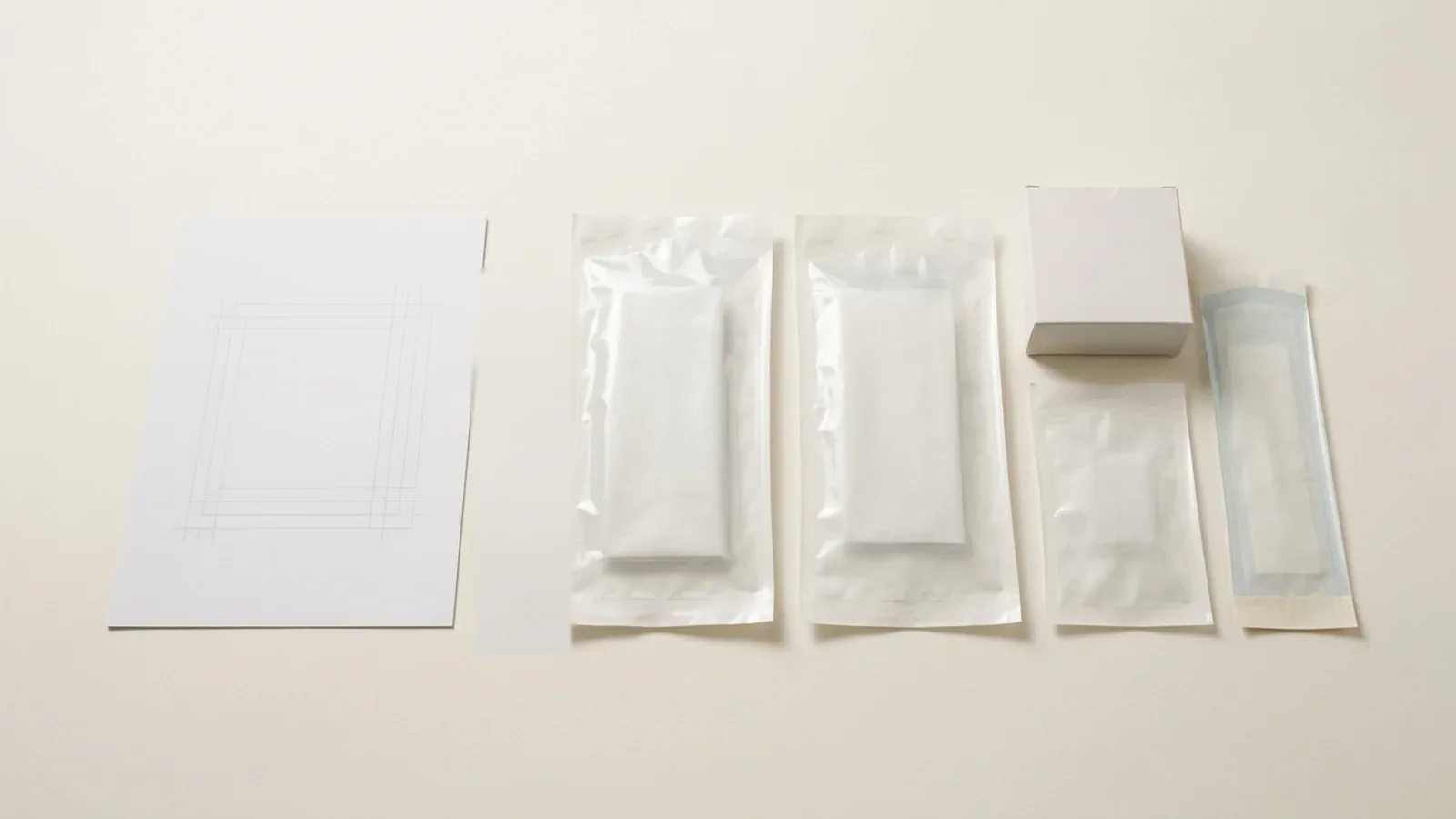
A technical procurement guide to ISO 13485:2016 Clause 4.1.5 and 7.4.2 quality agreements under QMSR, pre-implementation change notice, and complaint split.
· By
A technical procurement guide to medical consumable storage temperatures, ISO 15223-1 symbols, IVD stability rules, and ASTM D4169 transit simulation.
· By
A technical reference for 21 CFR 880.5570 hypodermic needles, ISO 7864 metric sizes, ISO 9626 tubing, ISO 6009 hub colors, wall types, and safety shields.
· By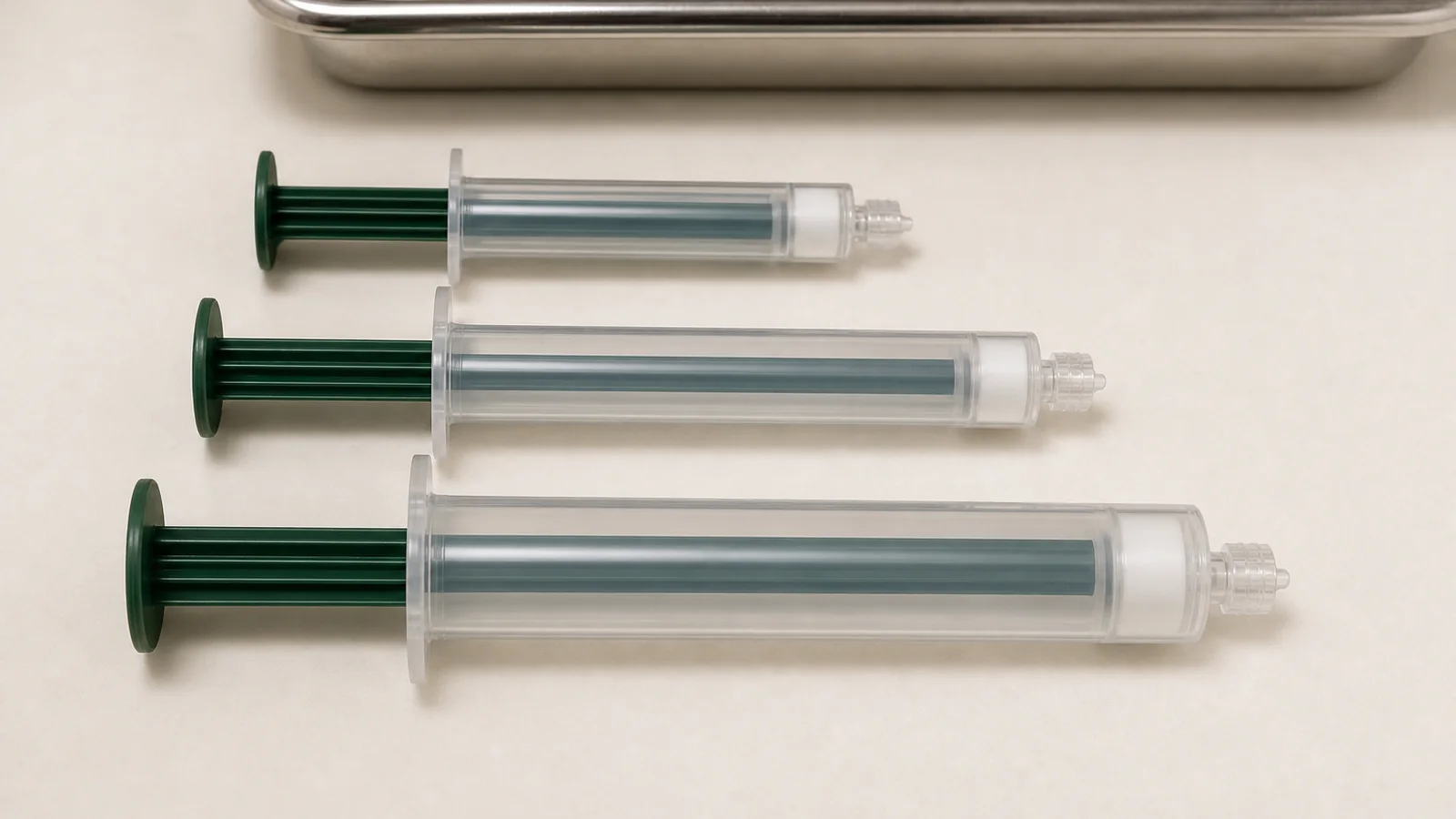
A specification guide to 21 CFR 880.5860 piston syringes, ISO 7886-1 design verification, volume and graduation marks, connectors, and reuse-prevention standards.
· By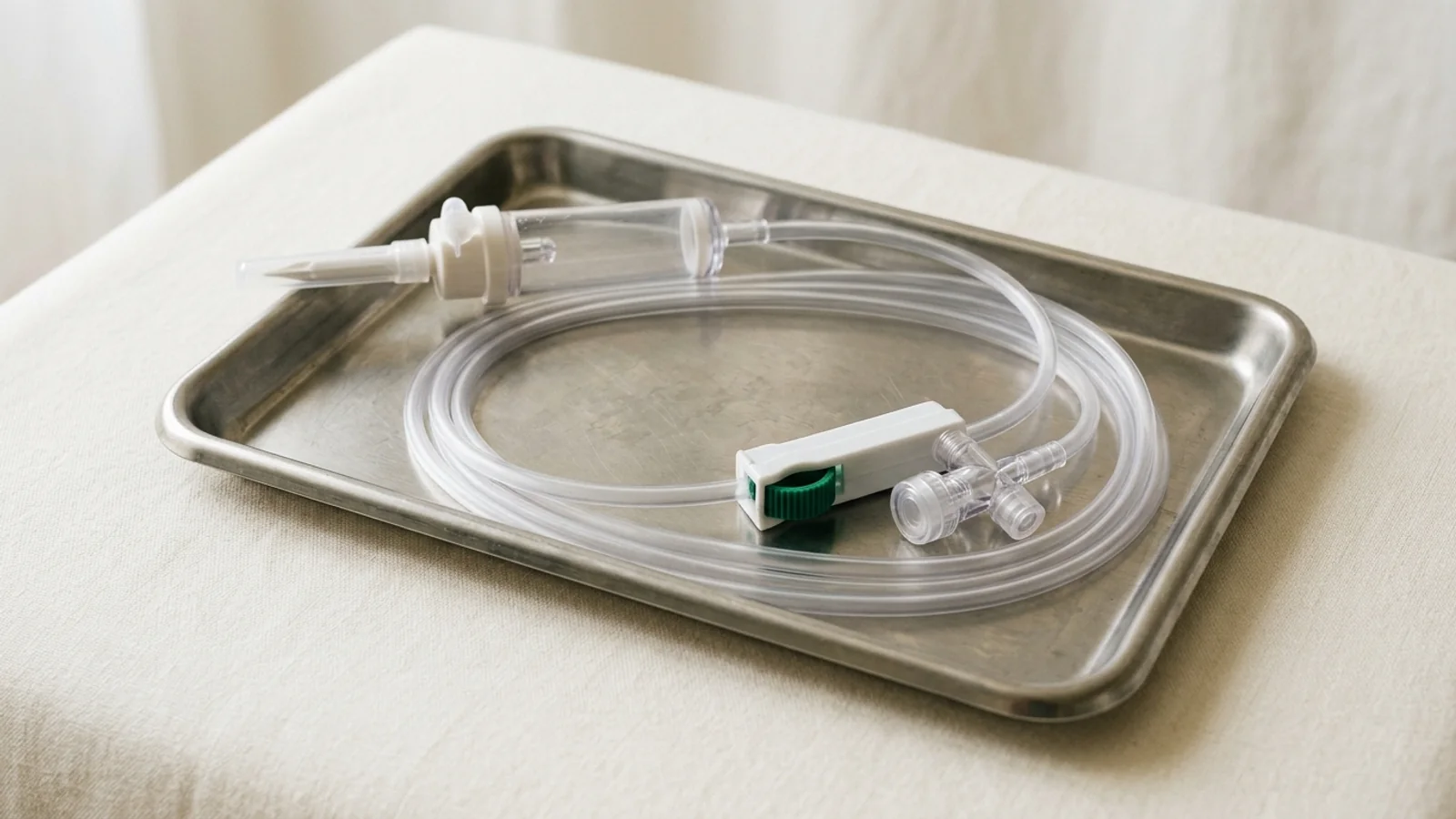
A buyer guide to 21 CFR 880.5440 IV administration sets, ISO 8536-4 gravity feed, pump compatibility, DEHP/latex labeling, and needle-free ports.
· By
A technical procurement guide to FDA glove classifications, 21 CFR 800.20 leak testing, the 2016 powder ban, ASTM standards, and chemotherapy labeling.
· By
A procurement guide comparing loose-fitting ASTM F2100 surgical masks, tight-fitting NIOSH N95 respirators, dual-regulated surgical N95s, and dated EUA status.
· By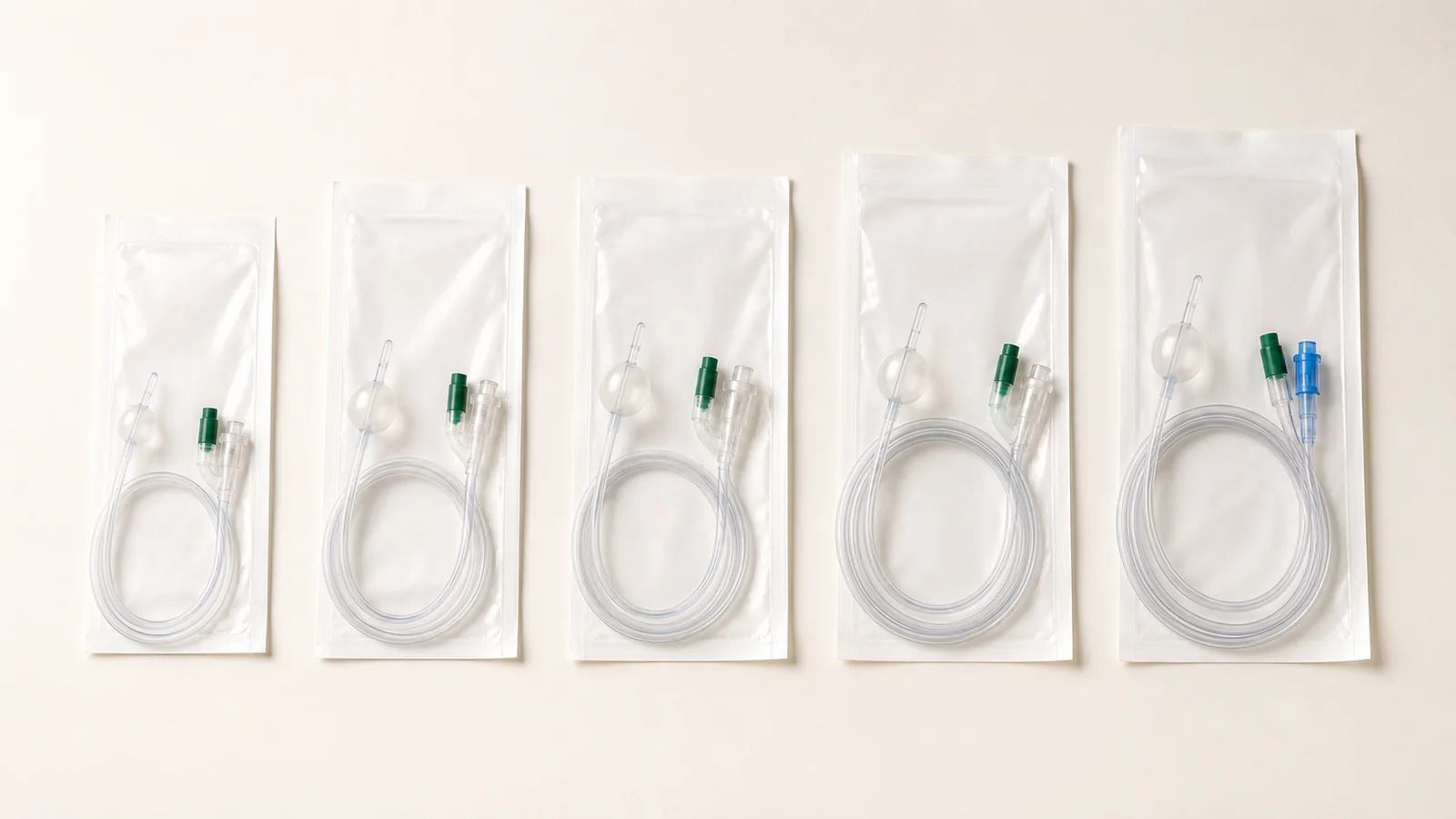
A technical procurement guide to Foley catheter French sizing, true inner drainage lumen cross-sections, balloon capacity, material selection, and tender audit standards.
· By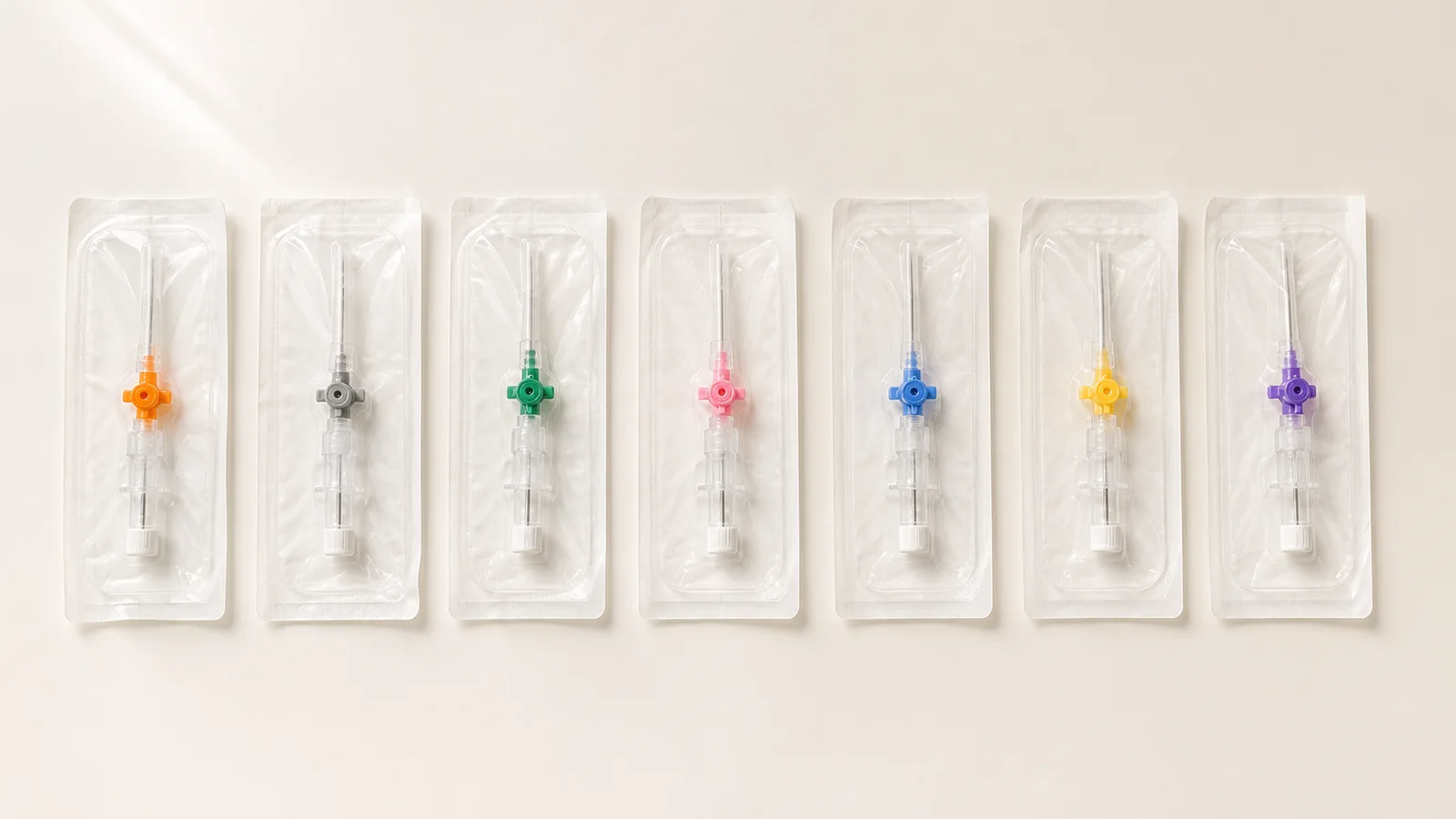
A comprehensive procurement guide to peripheral IV cannula gauge sizes, ISO 6009 color codes, polyurethane versus FEP material science, and passive sharps safety standards.
· By
A technical procurement and quality assurance guide to ANSI/AAMI PB70 liquid barrier levels, critical zone seam construction, fabric laminates, and sterility validation for surgical gowns.
· By