
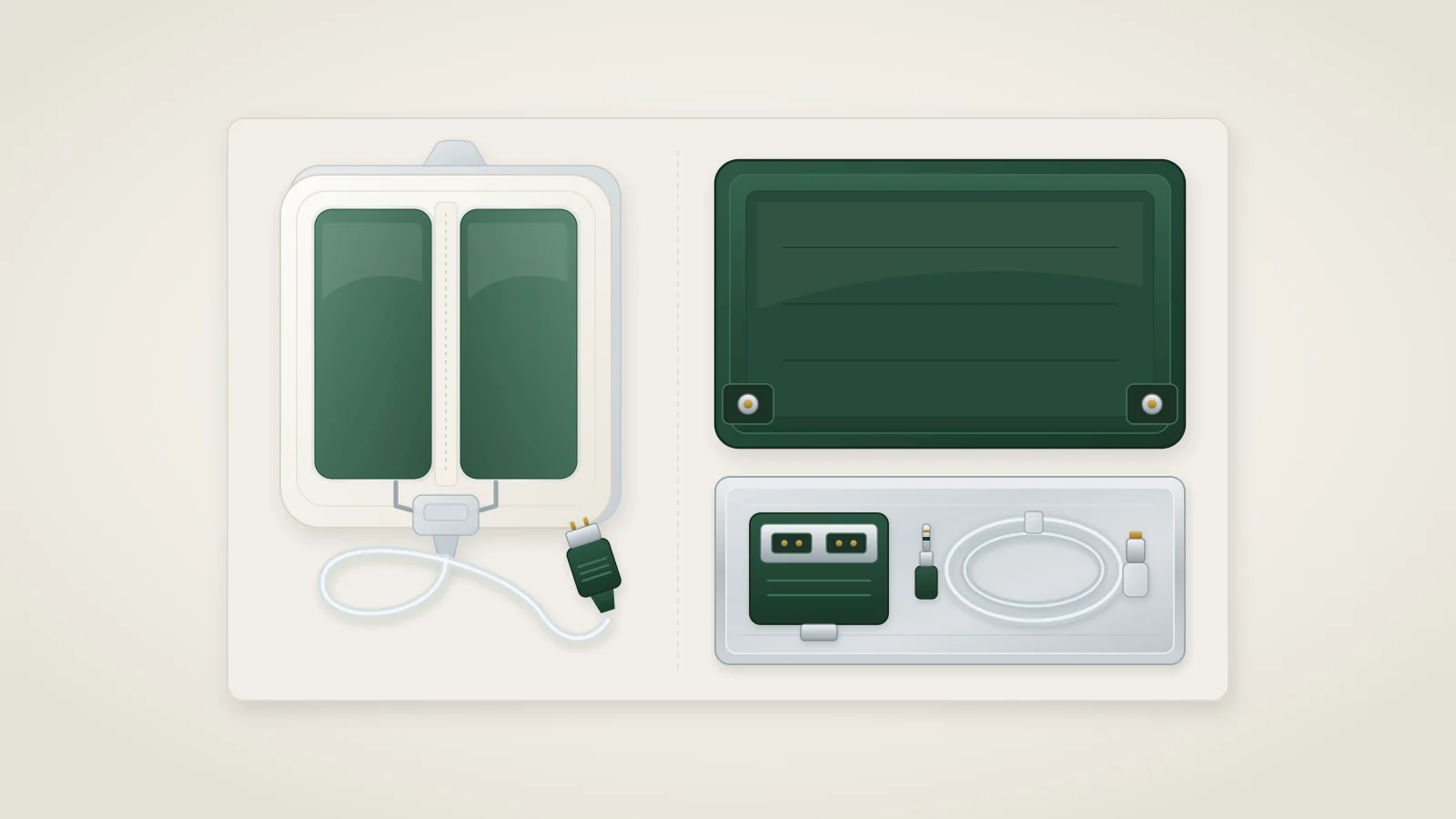
Electrosurgical Return Electrodes: Matching Pads to Generators and Monitors
How hospital buyers verify electrosurgical return electrode SKUs, REM split-pad monitoring, adapters, cables, and 2023–2025 FDA recall limits.
· ByCategory · Page 2
Clear comparisons of common medical consumable categories.
How hospital buyers verify electrosurgical return electrode SKUs, REM split-pad monitoring, adapters, cables, and 2023–2025 FDA recall limits.
· By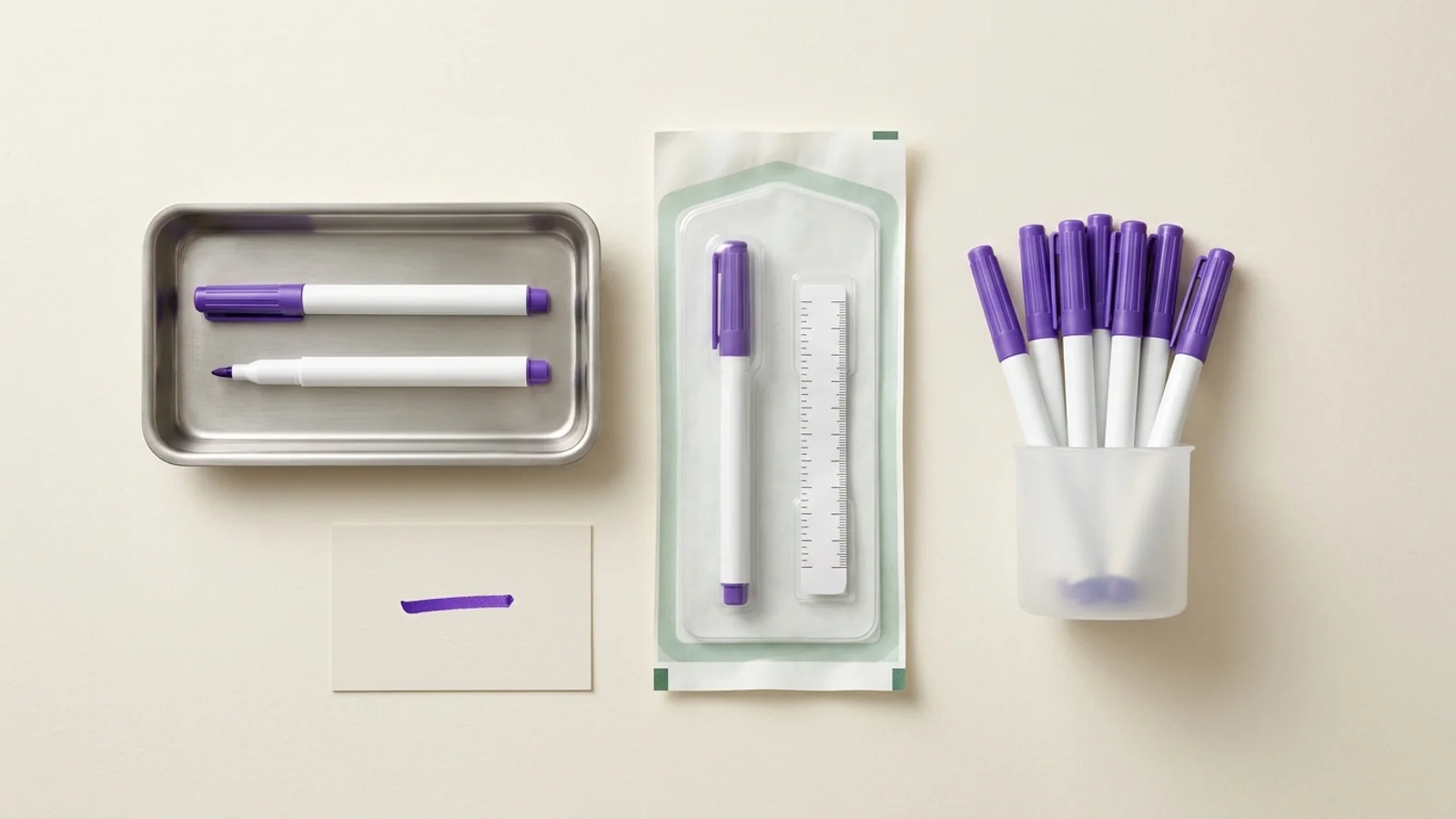
Skin markers are Class I and 510(k)-exempt, so the label is the spec. Compare ink, sterility claim and intended surface per SKU, then check GUDID fields before switching.
· By
Blunt fill needles are labeled for vial stoppers and 5-micron blunt filter needles for glass ampoules; neither is for skin injection. Verify sterility and order codes, not hub color.
· By
How hospital buyers verify arterial blood-gas syringes before switching SKUs: FDA pathway, heparin form and stated IU, labeled fill guidance and analyzer scope.
· By
Match detachable scalpel blades to stocked handles using manufacturer fitment lists, cross-brand model checks and disposable-format specifications.
· By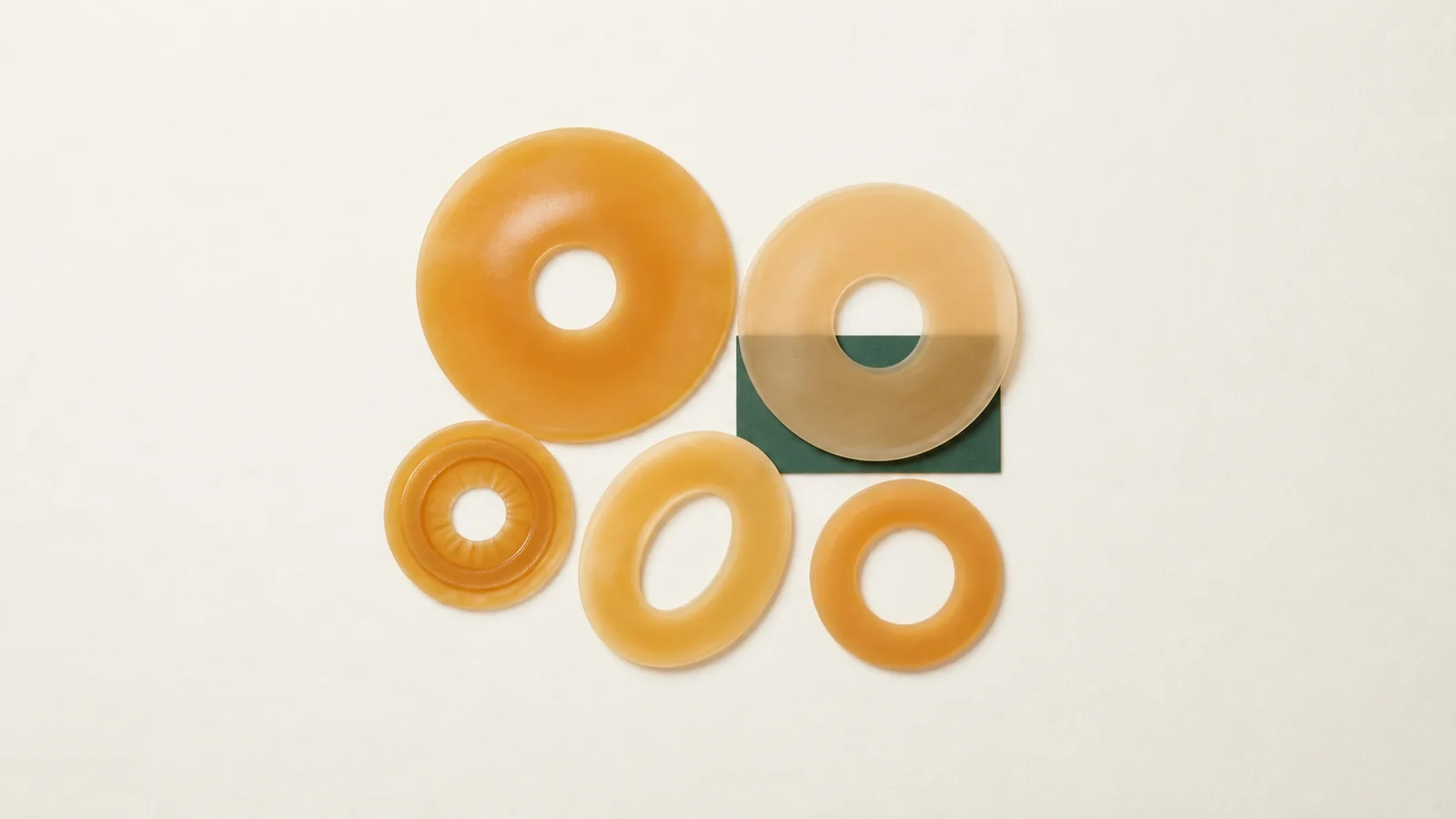
Compare ostomy barrier ring specifications, source conflicts, material disclosures, and pack counts before reviewing a supplier change.
· By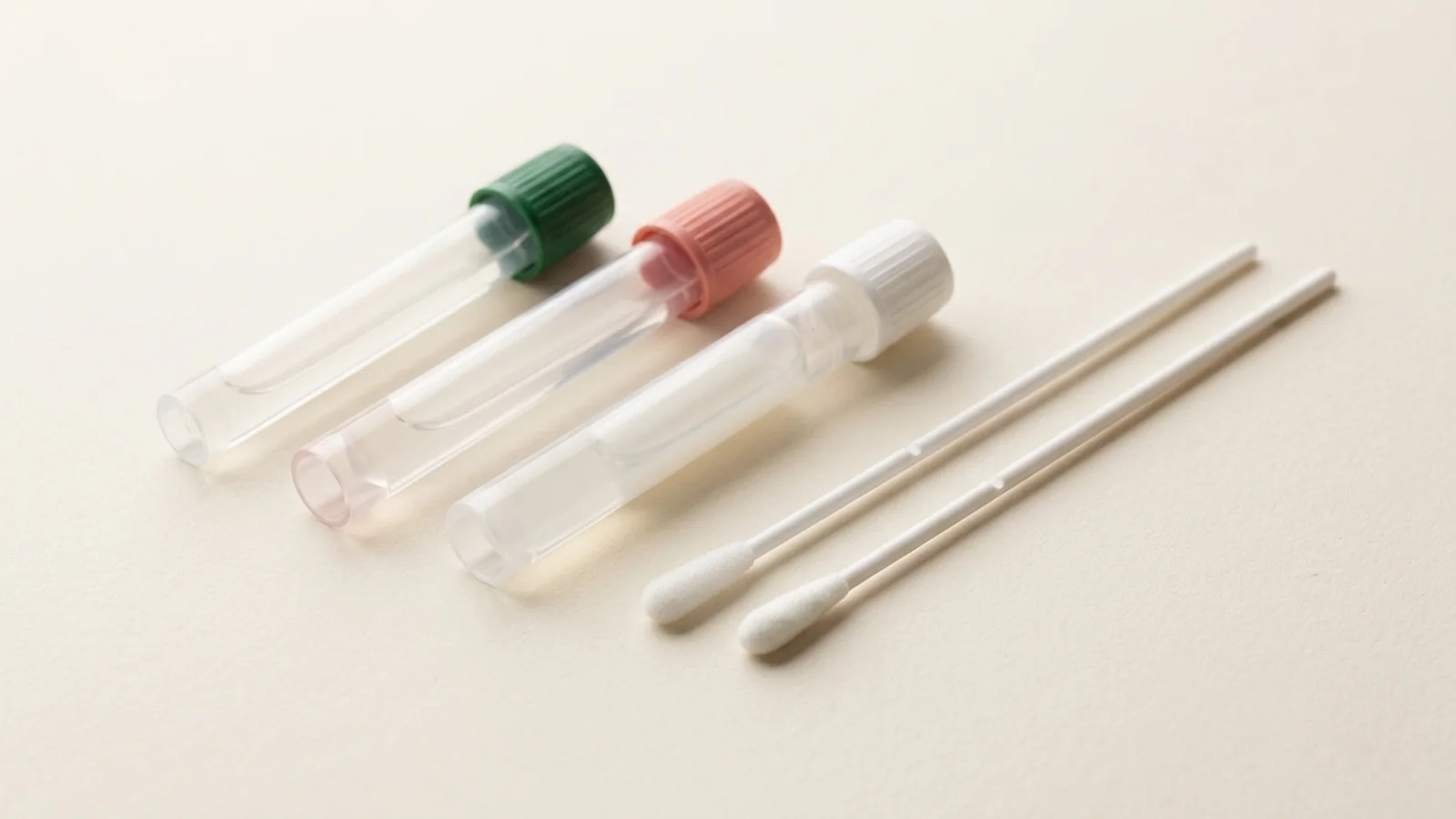
How buyers match swab tip, shaft and transport medium to culture or PCR testing, and the FDA, CLSI M40-A2 and labeled hold-time evidence to request before substituting.
· By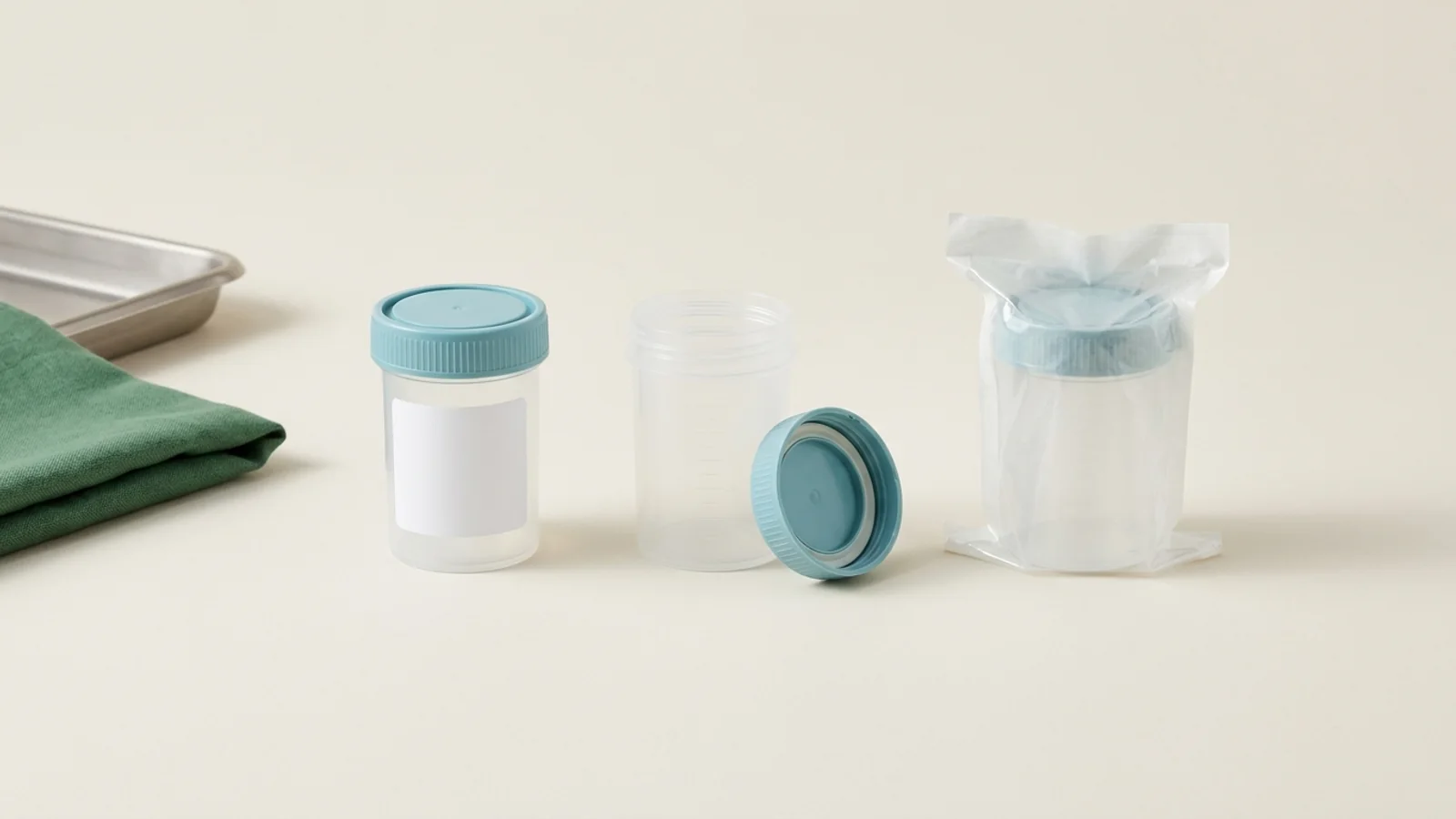
How to specify a sputum specimen container: the FDA sterility claim, FMH versus NNI, and which leak wording 49 CFR 173.199 actually requires.
· By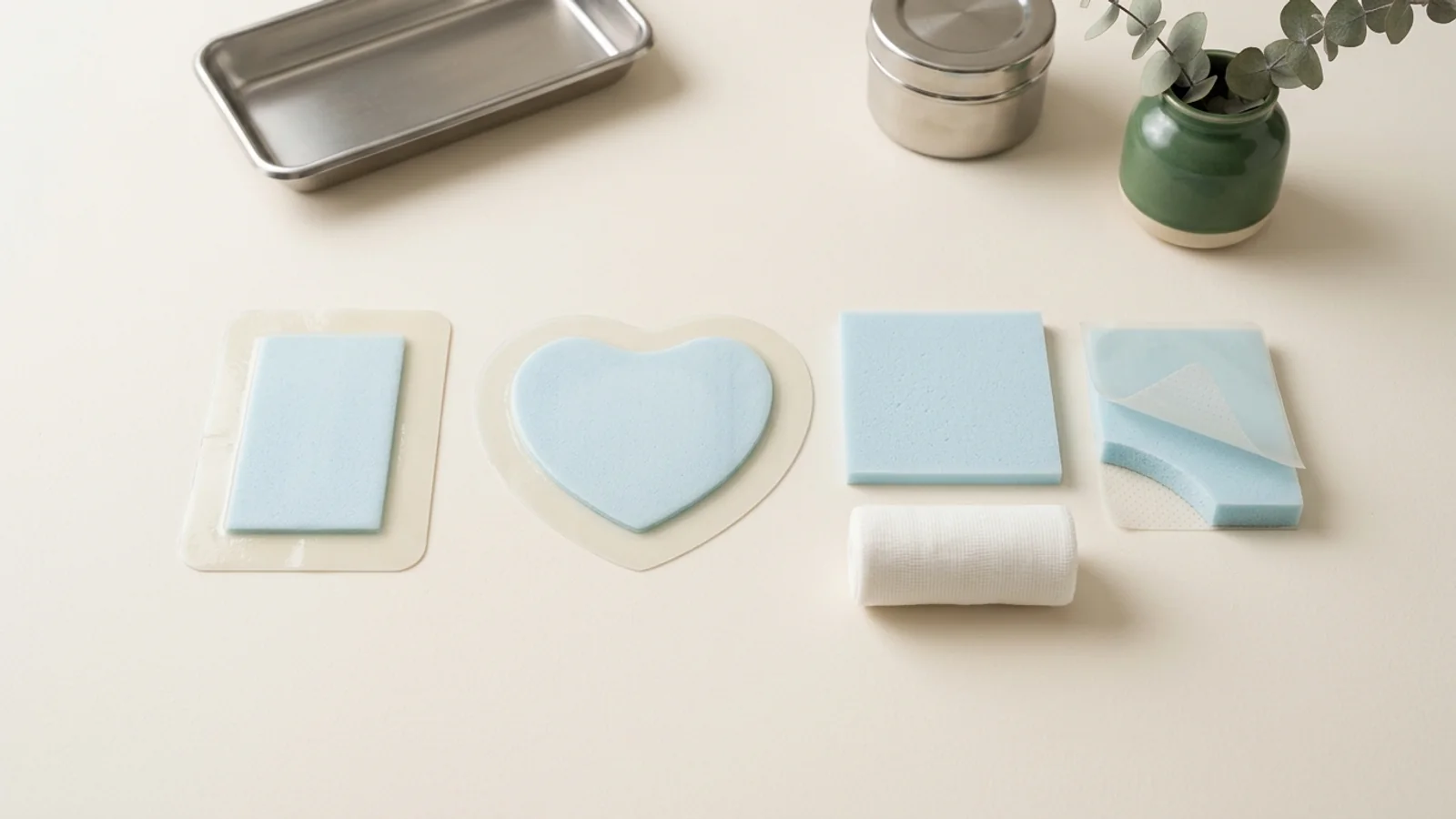
A neutral specification guide comparing bordered versus non-bordered silicone foam dressings, EN 13726 absorbency units, wear-time maxima, and FDA classification.
· By
A hospital buyer and distributor specification guide to capillary collection tubes: FDA Class II vs Class I pathways, nominal fill lines, additives, cap colors, and non-sterile IVD labeling.
· By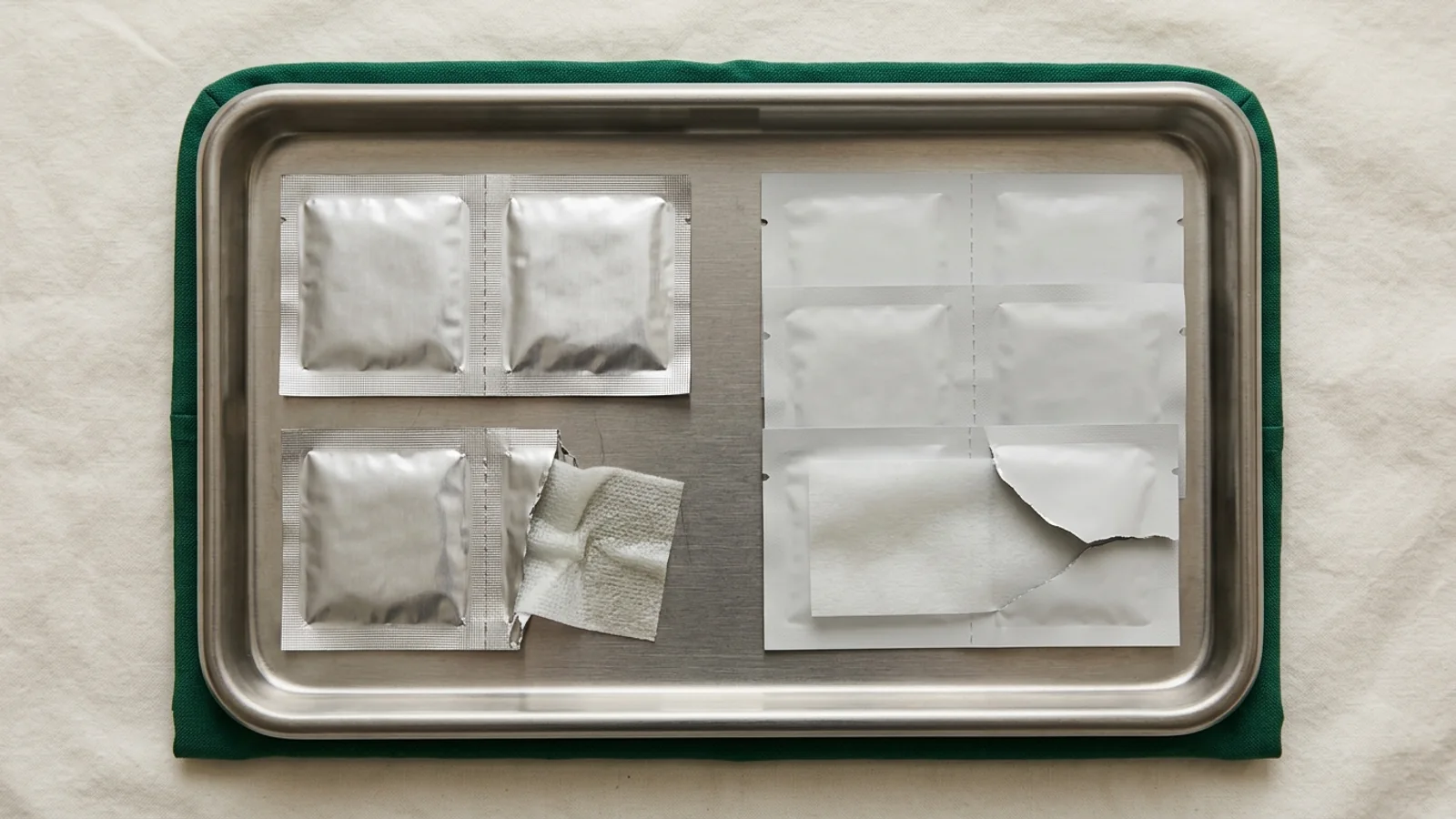
Compare barrier film wipes under 21 CFR 880.5090 and antiseptic drug wipes to prevent procurement errors across vascular access kits, dressings, and item masters.
· By
Evaluate transparent film dressing barrier claims, wear-time maxima, and Class I 510(k)-exempt status to build verifiable procurement specifications.
· By